🔴 Why Stress Recovery Matters More Than You Think
You already know stress exists. The real question is: are you recovering from it?
Most people confuse “not being stressed” with actual recovery. They’re not the same thing.
Stress without recovery is like running a marathon and never stopping to breathe-your body keeps moving, but it’s breaking down. That’s burnout. That’s exhaustion. That’s the slow erosion of your mental health, your relationships, and your capacity to think clearly.
Stress recovery is the deliberate act of returning your nervous system to baseline. It’s the pause. It’s the reset. And the science shows that people who prioritize stress recovery don’t just feel better-they perform better, think clearer, and live longer.
Here’s the uncomfortable truth: you cannot outwork stress. You can only recover from it.
In a culture obsessed with hustle, productivity, and “grinding,” the real competitive edge belongs to those who understand the power of strategic rest. The most successful people aren’t the ones who work the hardest-they’re the ones who recover the smartest.
This guide will teach you exactly how.
🔴Embrace Recovery
🧠 The Neuroscience of Stress Recovery: How Your Brain Heals
What Happens to Your Brain Under Chronic Stress
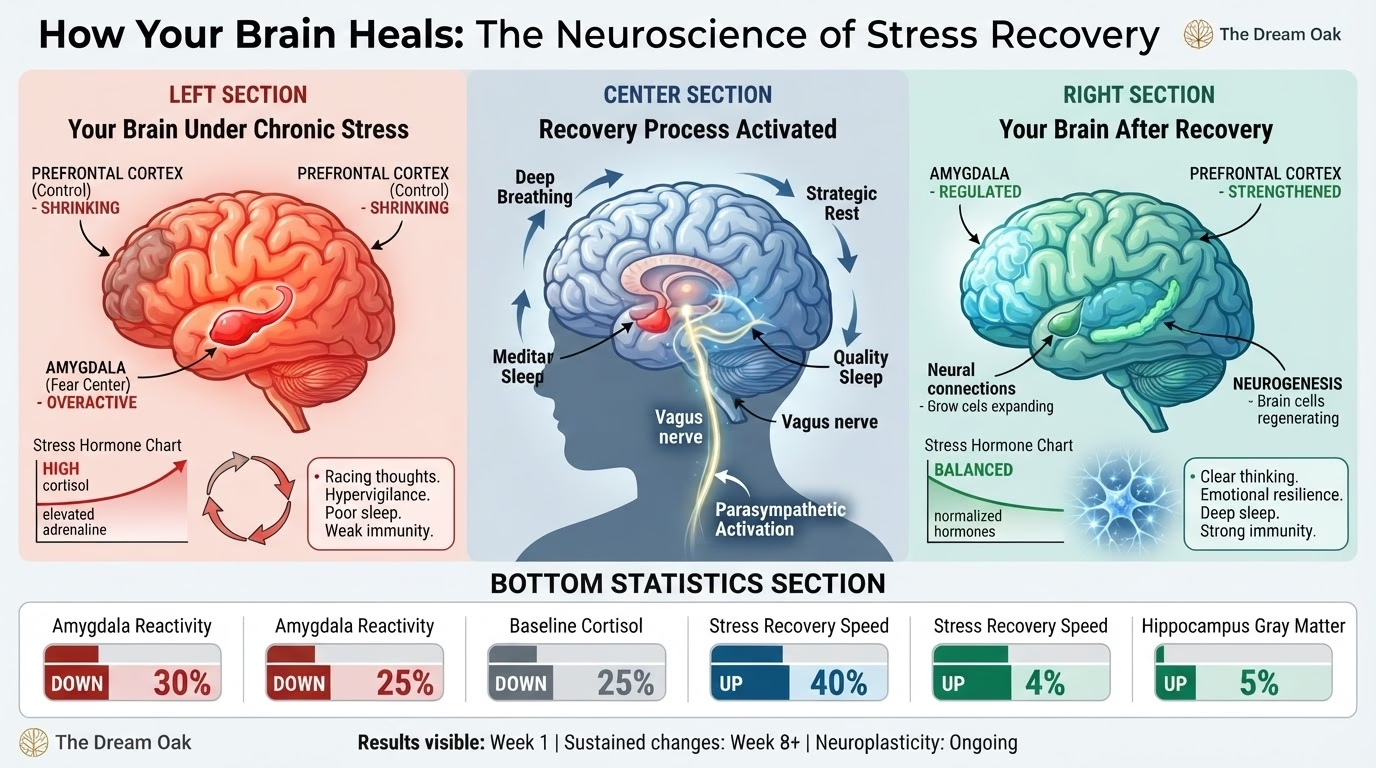
When you’re stressed, your amygdala (the fear center of your brain) activates, flooding your bloodstream with cortisol and adrenaline. This is useful for a moment-it sharpens focus, increases heart rate, primes muscles for action.
But when stress becomes chronic, something shifts.
Your amygdala stays activated. Cortisol remains elevated. Your prefrontal cortex (the rational, decision-making part of your brain) literally shrinks under prolonged stress. Neuroplasticity research shows that chronic stress rewires your brain for anxiety, rumination, and reactive thinking.

The world of learning and personal growth – Centre of Excellence!
This is reversible.
How Recovery Rewires Your Brain
The moment you activate true recovery-through meditation, deep breathing, or quality sleep-your parasympathetic nervous system kicks in. This is your body’s “rest and digest” system.
When parasympathetic activation happens:
✅ Cortisol levels drop (usually within 20-30 minutes of proper meditation or breathing work).
✅ Your prefrontal cortex reactivates and regains decision-making power.
✅ Neurogenesis accelerates (your brain literally grows new neurons in the hippocampus, your learning and memory center).
✅ Emotional regulation improves (the amygdala downregulates, making you less reactive).
✅ Neurotransmitters rebalance:
- Serotonin returns (mood stabilization, calm).
- Dopamine resets (motivation, focus, reward sensitivity).
- GABA increases (natural anxiety relief).
- Endorphins rise (pain relief, euphoria).
The research is detailed: intentional recovery doesn’t just make you feel better-it physically restructures your brain for resilience.
Studies from Stanford and MIT show that 20 minutes of daily meditation over 8 weeks increases gray matter density in the hippocampus by 5%. That’s measurable brain growth-from rest.
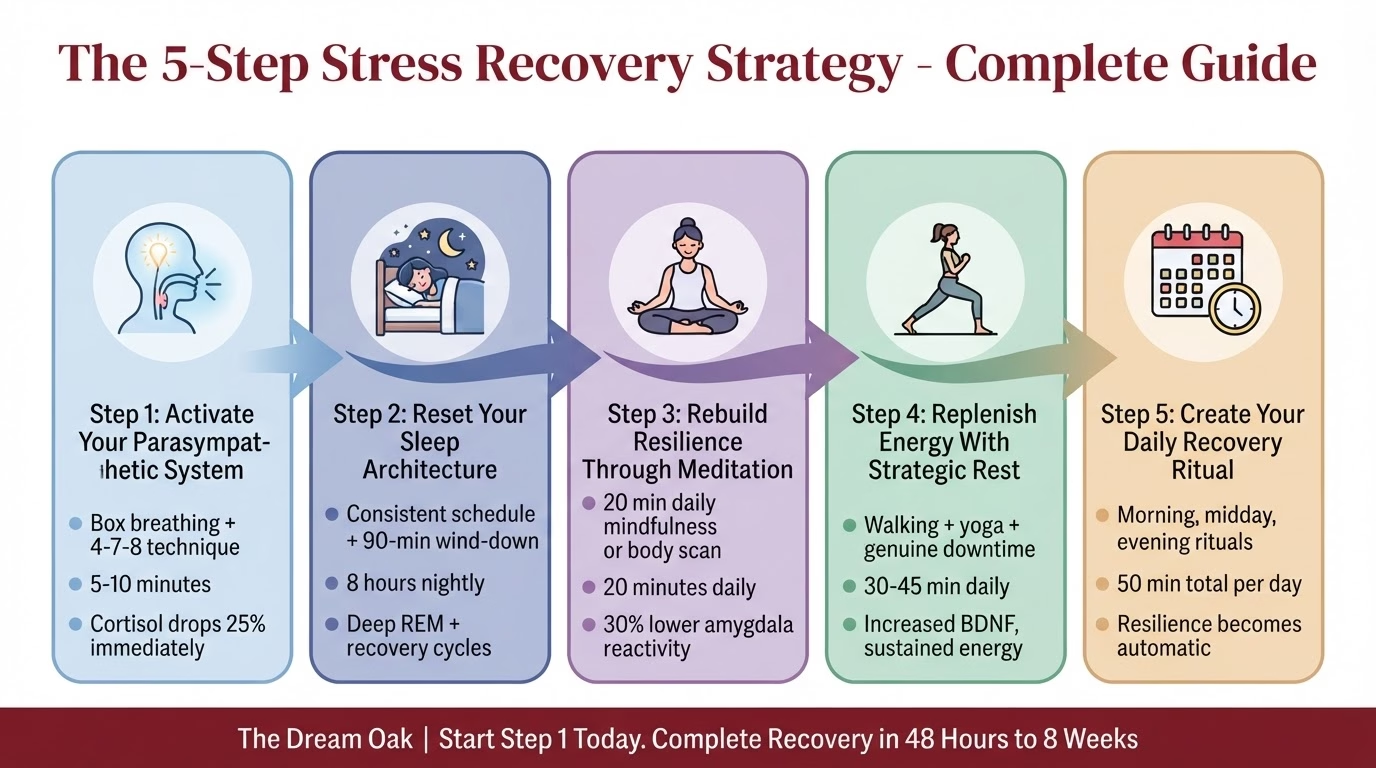
🔄 Step 1: Activate Your Parasympathetic Nervous System (The Foundation)
Before anything else works, you need to flip the switch from stress mode to recovery mode.
Your nervous system has two main states:
- Sympathetic: Fight-or-flight (stress activation).
- Parasympathetic: Rest-and-digest (recovery activation).
Most people stay in sympathetic mode all day. Email notifications, social media, work deadlines, news feeds-they all keep you in low-level fight-or-flight.
Recovery starts when you deliberately activate parasympathetic dominance.
The Fastest Way: Box Breathing (5 Minutes)
Box breathing is the single fastest way to shift your nervous system. It’s used by Navy SEALs, emergency room doctors, and athletes before competition.
How to do it:
- Breathe in through your nose for 4 counts.
- Hold for 4 counts.
- Exhale through your mouth for 4 counts.
- Hold empty for 4 counts.
- Repeat 10 times (that’s 5 minutes total).
Why it works: The extended exhale triggers your vagus nerve, which is the main “off switch” for your stress response. Within minutes, you’ll feel your heart rate slow and your mind quiet.
The Deeper Method: 4-7-8 Breathing (Immediate Calm)
This technique, developed by Harvard-trained physician Dr. Andrew Weil, directly activates deep parasympathetic relaxation.
How to do it:
- Breathe in through your nose for 4 counts.
- Hold for 7 counts.
- Exhale through your mouth for 8 counts (this is key-the long exhale).
- Repeat 4 times.
Most people fall asleep after just 4 cycles. Use this when stress peaks during the day, or before bed for immediate recovery mode.
Why Breathing Works (The Science)
Your breath is the only automatic nervous system function you can consciously control. By slowing and extending your exhale, you directly stimulate the vagus nerve, which tells your body:
“You’re safe. Stop producing stress hormones. Enter recovery mode.”
This isn’t meditation. This isn’t woo. This is basic neurology.
Do this right now for 5 minutes. Notice how different your body feels. That shift? That’s the beginning of stress recovery.
😴 Step 2: Reset Your Sleep Architecture for Deep Recovery
Sleep is where 80% of your stress recovery happens.
You can meditate perfectly, eat optimally, and exercise daily-but if you’re sleeping poorly, you’re fighting with one hand tied behind your back.
Why Sleep Matters for Stress Recovery
During sleep, your brain processes the emotional charge of the day’s stressors. Your amygdala slowly calms down. Cortisol resets. Your prefrontal cortex consolidates learning and decision-making capacity.
Without adequate sleep, none of this happens. You wake up with yesterday’s stress still lodged in your nervous system.
The Three Pillars of Sleep Recovery
1. Consistent Sleep Schedule (The Non-Negotiable)
Your brain loves predictability. When you sleep at the same time every night, your circadian rhythm strengthens. Melatonin and cortisol regulate themselves naturally.
The protocol:
- Same bedtime every night (even weekends): 10:30 PM.
- Same wake time every morning: 6:30 AM.
- This creates an 8-hour window (ideal for full recovery cycles).
Why this works: Your body runs on a 24-hour cycle. When you honor that cycle, your sleep deepens automatically. You get more REM sleep (emotional processing) and more deep sleep (physical recovery).
2. Sleep Environment Optimization
Your bedroom should feel like a recovery chamber, not an office.
✅ Temperature: 65-68°F (18-20°C) is optimal for sleep.
✅ Darkness: Total blackout (or use a sleep mask).
✅ Sound: White noise or silence (consider the Muse Headband for guided sleep tracking and meditation).
✅ Bed quality: A supportive mattress matters (you spend 8 hours there).
3. Pre-Sleep Ritual (The 90-Minute Wind-Down)
This is the most underrated part of sleep recovery.
Starting 90 minutes before bed:
- 8:00 PM: Dim all lights to 30% brightness (triggers melatonin).
- 8:15 PM: Stop all screens (blue light suppresses melatonin).
- 8:30 PM: Warm bath or shower (temperature drop signals sleep time to the brain).
- 8:45 PM: Light stretching, journaling, or reading (non-stimulating).
- 9:00 PM: Guided meditation or breathing work.
- 10:30 PM: Sleep.
This ritual transforms your sleep quality within days. You’ll notice deeper sleep, fewer wake-ups, more vivid dreams (sign of REM activation), and waking up more refreshed.
The world of learning and personal growth – Centre of Excellence!
🧘 Step 3: Rebuild Resilience Through Intentional Meditation
Meditation is the clinical-grade tool for stress recovery.
It’s not about “thinking of nothing” or becoming spiritual. It’s about training your mind to exit rumination loops and rewire your threat response.
The Science Behind Meditation + Stress Recovery
fMRI studies show that regular meditators have:
- 25% lower cortisol (even at baseline, not just during meditation).
- 40% greater gray matter density in the prefrontal cortex (decision-making, emotional regulation).
- 30% less activity in the amygdala (fear and stress response center).
- 50% faster cortisol recovery when stressed.
In short: meditation literally makes you biologically less reactive and more resilient.
The Best Meditation Protocol for Stress Recovery
You don’t need to meditate for an hour. 20 minutes daily produces measurable changes in 8 weeks.
The Practical Routine:
Week 1-2: Foundation (Breath Focus)
- 10 minutes daily.
- Focus only on the breath (in and out).
- When your mind wanders (it will), gently return focus to the breath.
- No judgment; this is the practice.
Week 3-4: Expansion (Body Scan)
- 15 minutes daily.
- Start with breath, then slowly scan awareness from toes to crown.
- Notice tension without trying to fix it.
- This teaches your nervous system to self-monitor.
Week 5+: Integration (Open Awareness)
- 20 minutes daily.
- Observe all thoughts, sensations, and emotions as they arise.
- Don’t engage with them; just notice and let them pass.
- This is where deep resilience develops.
Best Meditation Tools & Resources
For structured, science-backed guidance, the Muse Headband is exceptional. It’s a wearable that provides real-time feedback on your meditation practice:
- Real-time biofeedback: The device detects when your mind has wandered and gently brings you back.
- Progress tracking: See your meditation data improve over weeks.
- Multiple programs: Stress relief, sleep, focus, body scan.
- Research-backed: Used in 50+ clinical studies.
If you prefer courses, Centre of Excellence’s Meditation Teacher Diploma Course provides comprehensive training in meditation theory and practice. You’ll learn the mechanisms behind why meditation works, plus dozens of techniques.
⚡ Step 4: Replenish Energy With Strategic Rest & Movement
Here’s what people get wrong about recovery: it’s not passive.
True recovery combines active rest (low-intensity movement) with genuine downtime. Both are essential.
Active Recovery: Movement That Heals
Active recovery is low-intensity physical activity that increases blood flow without creating new stress on your nervous system.
Best modalities for stress recovery:
Walking (The Underrated Gold Standard)
- 30 minutes at a conversational pace.
- Outdoors (nature contact amplifies recovery).
- No phone, no music (let your mind wander).
- Increases BDNF (brain-derived neurotrophic factor, the “growth hormone” for brain cells).
Yoga (Gentle, Not Intense)
- Focus on slow, breath-synchronized movement.
- Yin yoga is ideal (long-held poses, parasympathetic activation).
- 30-45 minutes, 3x weekly.
- Releases physical tension stored in your nervous system.
Swimming (Low-Impact, Full-Body)
- Water temperature, buoyancy, and rhythm all calm the nervous system.
- 20-30 minutes at an easy pace.
- Excellent for releasing postural tension.
Genuine Downtime: The Non-Negotiable
Beyond movement, you need true rest-time with zero productivity expectation.
What counts:
✅ Reading a novel.
✅ Creative hobbies (art, music, writing).
✅ Time in nature.
✅ Social connection (meaningful conversation, not small talk).
✅ Napping (20-minute power nap or 90-minute full cycle).
What doesn’t count:
❌ Social media scrolling.
❌ Email checking.
❌ News consumption.
❌ TV as background noise.
These are dopamine-seeking behaviors masquerading as rest. They keep your nervous system partially activated.
True downtime means actual presence-doing one thing, without agenda, without distraction.
🎯 Step 5: Create a Daily Recovery Ritual That Lasts
The best stress recovery protocol is the one you’ll actually do.
This is why we’re not asking for perfection. We’re building a sustainable daily ritual that fits into real life.
The Morning Recovery Ritual (15 Minutes)
6:30 AM – Wake & Hydrate
- Before anything else: drink 16- 20 oz of water (rehydrates after 8 hours of sleep).
- This activates your digestive system and signals the body that recovery is complete.
6:35 AM – Box Breathing (5 Minutes)
- Sets parasympathetic tone for the day.
- Clears mental fog.
- Primes emotional regulation.
6:40 AM – Movement (5-10 Minutes)
- Gentle stretching, yoga, or a 5-minute walk.
- Gets blood flowing.
- Shifts from sleep brain to active brain.
6:50 AM – Journaling or Meditation (5-10 Minutes)
- Write 3 things you’re grateful for (rewires threat-detection brain).
- Or do a body scan meditation.
- Sets intention for the day.
Total: 15 minutes. Transforms your entire day.
The Midday Reset (5 Minutes)
Around 2-3 PM, energy crashes and stress peaks.
- 2-minute walk outside (natural light, movement).
- 3 minutes of 4-7-8 breathing (immediate cortisol reduction).
This prevents afternoon stress from compounding into evening.
The Evening Recovery Ritual (30 Minutes)
8:00 PM – Transition Time
- Put phone in another room (no exceptions).
- Dim all lights to 30%.
- Change clothes (signals to nervous system: work is done).
8:15 PM – Warm Bath or Shower
- 15-20 minutes in warm water (105-110°F is ideal).
- Triggers parasympathetic activation.
- Physically washes away the day’s cortisol and tension.
8:35 PM – Non-Screen Downtime
- Reading, gentle stretching, journaling.
- Absolutely no screens (blue light blocks melatonin).
9:00 PM – Guided Meditation or Sleep Prep
- 10-minute guided meditation (Muse Headband is excellent here).
- Or the 4-7-8 breathing technique.
10:30 PM – Sleep
The world of learning and personal growth – Centre of Excellence!
⏱️ The 48-Hour Stress Recovery Protocol
For acute stress periods (before a big event, after a crisis, during an overwhelming week), use this concentrated protocol.
Hour 0-4: Crisis Response
Immediately upon noticing high stress:
- Box breathing: 10 minutes (bring cortisol down).
- Walk outside: 20 minutes (nature + movement = dual activation).
- Nourish: Eat a balanced meal (protein + complex carbs stabilize blood sugar and mood).
- Hydrate: 32oz water (dehydration amplifies stress perception).
Result: Nervous system shifted from acute panic to manageable stress.
Hour 4-12: Reset Sleep
Priority #1: Sleep tonight
- 6:00 PM: Stop all work.
- 7:00 PM: Take a warm bath (90 minutes before sleep).
- 8:00 PM: Guided meditation (use Muse Headband sleep guidance).
- 9:00 PM: Lights out.
This is non-negotiable. One night of deep sleep recovers 70% of acute stress damage.
Hour 12-24: Stabilization
Next morning:
- Wake at same time (even if you want to sleep in).
- Full morning ritual (box breathing + movement + meditation).
- Walk outside for 30 minutes (sunlight resets circadian rhythm).
- Eat 3 balanced meals (no skipping).
Midday:
- Another 30-minute walk.
- Light social connection (call a friend, not alone time).
- No intense exercise (save it for when stress passes).
Evening:
- Repeat wind-down ritual.
- 8 hours sleep.
Hour 24-48: Reinforcement
Day 2 (repeat the stabilization pattern)
- Same sleep schedule.
- Morning + evening rituals.
- Gentle movement (walk, yoga, swim-nothing intense).
- Meditation or breathing work 2x daily.
- Zero news/social media consumption (information diet).
Result after 48 hours: Cortisol normalized, nervous system recalibrated, emotional resilience restored.
❓ FAQ: Your Stress Recovery Questions Answered
Q1: How long does it take to recover from chronic stress?
A: It depends on duration and severity, but here’s the timeline:
Acute stress (days/weeks): Full recovery in 1-2 weeks with protocol adherence.
Moderate burnout (months): 4-8 weeks of consistent practice.
Severe burnout (chronic): 3-6 months minimum, often longer.
The good news: you’ll feel better in 48 hours. Full recovery takes longer, but measurable shifts happen fast.
Q2: I don’t have time for 15-minute morning rituals. What’s the minimum viable protocol?
A: This is the reality-do this:
Box breathing: 5 minutes (non-negotiable; reshapes your whole day).
Walk outside: 15 minutes (sleep alone isn’t enough).
One meal with protein: Whatever you’re already eating, just add protein.
That’s 20 minutes total. Do this 5x weekly, and you’ll see measurable stress reduction.
Q3: Can I recover from stress without meditation?
A: Meditation is the fastest tool, but meditation works because of parasympathetic activation. You can also activate it through:
Extended exhale breathing (works as well as meditation in studies).
Cold water immersion (yes, it sounds scary, but it resets your nervous system).
Quality sleep (78% of recovery happens here anyway).
Social connection (genuine conversation reduces cortisol 20% immediately).
But meditation is the most portable, time-efficient tool. If you’re serious, use it.
Q4: What role does diet play in stress recovery?
A: Huge. Under stress, your body needs:
Magnesium (activates parasympathetic system): dark leafy greens, almonds, pumpkin seeds.
Omega-3s (reduce inflammation + support neurotransmitter production): fatty fish, walnuts, flax.
B vitamins (support stress hormone metabolism): eggs, whole grains, chicken.
Antioxidants (reduce oxidative stress): berries, dark chocolate, green tea.
Avoid:
Excess caffeine (amplifies cortisol).
Refined sugar (crashes blood sugar, increases anxiety).
Alcohol (disrupts sleep architecture, prevents deep recovery).
Nutrition alone won’t recover chronic stress, but it accelerates recovery by 30-40%.
Q5: Is the Muse Headband worth it for stress recovery?

A: If you struggle with meditation consistency, yes. The real-time biofeedback is scientifically proven to accelerate skill development. You’re not paying for the device-you’re paying for the behavioral change it enables.
Alternatives: Centre of Excellence’s Meditation programs are more affordable and equally comprehensive if you prefer structured learning.
Q6: Can I recover from stress while staying in the stressful situation (job, relationship, etc.)?
A: Short answer: partially.
You can reduce acute nervous system reactivity and build resilience. But chronic stress recovery while remaining in the stressor is like trying to bail water out of a boat with a hole in the hull. You’re managing the symptom, not the cause.
That said: use recovery tools to build the clarity and resilience you need to make a change. Often, one month of solid recovery practice gives you the mental bandwidth to address the actual stressor (update resume, set boundaries, etc.).
🌟 Your Next Step: Start Tomorrow
You now have the complete playbook.
You understand the science. You know the 5 steps. You have the protocols.
The only thing left is to start.
Not next week. Not when you’re less busy. Tomorrow morning.
Pick one thing:
- 5-minute box breathing (easiest entry point).
- 15-minute walk outside (most immediately restorative).
- Consistent bedtime (most foundational).
Do that one thing for 7 days. Notice what shifts.
The goal isn’t perfection. The goal is consistency. Small actions, repeated daily, rewire your nervous system for resilience.
Your brain is neuroplastic. Your stress response is trainable. Recovery is possible-and it starts now.
📚 Recommended Resources for Your Journey
Meditation & Mindfulness
Muse Headband
Real-time biofeedback meditation device. Perfect for building consistent practice and tracking progress.
Centre of Excellence – Meditation Teacher Diploma
Comprehensive certification course. Learn meditation theory + 20+ techniques. Ideal if you want deep understanding, not just quick fixes.
Sleep & Recovery Tools
Muse Headband Sleep Program
Includes guided sleep transitions and meditation. Accelerates sleep onset and deepens sleep quality.
Related Reading
- The Upside of Stress by Dr. Kelly McGonigal (reframes stress as trainable).
- Why Buddhism Is True by Robert Wright (neuroscience of meditation).
- The Stress Solution by Rangan Chatterjee (medical doctor’s practical recovery approach).
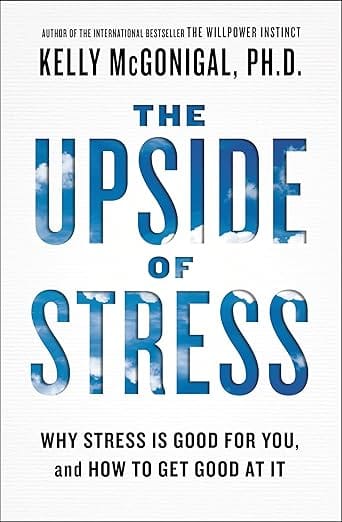
The Upside of Stress by Kelly McGonigal, PhD
Discover the transformative power of stress with ‘The Upside of Stress‘ by Dr. Kelly McGonigal. This enlightening book reveals how viewing stress as an ally can enhance your performance and well-being.
🎯 Your Daily Stress Recovery Checklist
Print this and track for 30 days:
✅ Morning Box Breathing (5 min)
✅ Morning Movement (walk or yoga, 15 min)
✅ Meditation or Breathing Work (10 min)
✅ Walk Outside (30 min, preferably midday)
✅ 3 Balanced Meals + 64oz Water
✅ Evening Wind-Down (30 min, no screens)
✅ Sleep by 10:30 PM
✅ Wake at 6:30 AM (consistent)
Score: 8/8 = Full Recovery Day
Most people hit 5-6/8. That’s still powerful. Consistency matters more than perfection.
Learn, Help Family And Friends, And Help The Planet!

)