❔ Can you really “strengthen” your immune system?
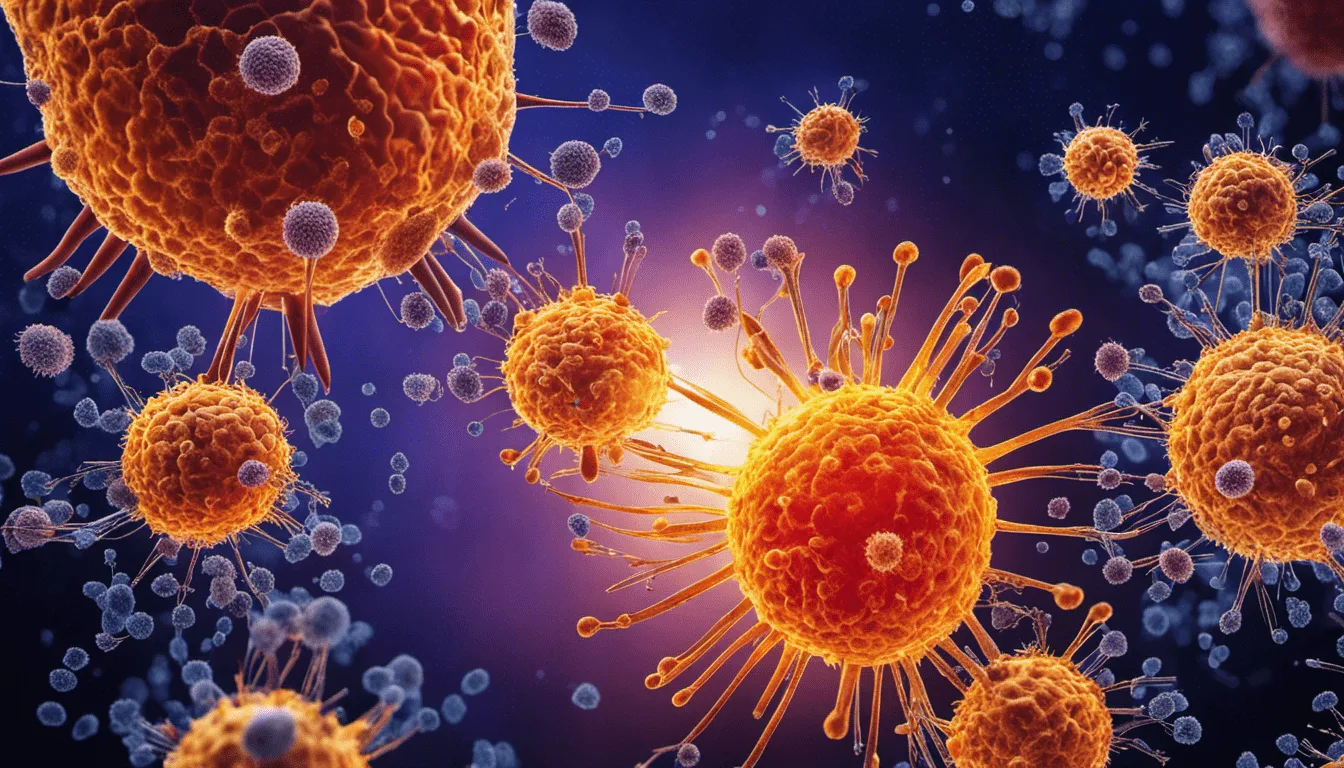
The immune system is not a muscle that can be permanently upgraded by one superfood or supplement. It is a distributed network involving physical barriers, innate immune cells, adaptive immune cells, antibodies, lymphoid organs, the gut microbiome, hormones, and nervous-system signals.
A healthy immune system must do two things at once:
- Respond effectively to genuine threats.
- Avoid excessive or misdirected inflammation that damages healthy tissue.
That means the goal is not to make immunity “stronger” in every situation. The more accurate goal is to support immune regulation, resilience, and appropriate response.

Muse Headband: A Game-Changer for Meditation
6️⃣ Ways to Strengthen Your Immune System
Dopamine belongs in this conversation because the brain and immune system communicate continuously. Dopamine is best known for its role in motivation, reward prediction, movement, learning, and attention, but dopamine receptors and dopaminergic signaling also occur in immune cells and immune-related tissues. Stress, sleep, inflammation, physical activity, diet, and reward-driven behavior can influence this neuroimmune relationship.
This does not mean that increasing dopamine automatically improves immunity. The body is not a collection of independent chemical switches. A better model is an integrated brain–immune–metabolic system, supported by consistent habits rather than dramatic interventions.
Here are six evidence-informed ways to support that system. 🌿
1. Eat a diverse, nutrient-dense diet
A varied diet supplies the energy, amino acids, fatty acids, vitamins, minerals, and phytochemicals required for immune-cell development and function. Fruits and vegetables are valuable, but immune-supportive nutrition is broader than antioxidants alone.
Build meals around:
- Vegetables and fruit in a range of colors.
- Beans, lentils, nuts, seeds, eggs, fish, or other protein sources.
- Whole grains and high-fiber carbohydrates.
- Unsaturated fats such as olive oil, avocado, nuts, and oily fish.
- Fermented foods when tolerated.
- Adequate total energy and protein.
Vitamin C, vitamin A, vitamin D, vitamin E, zinc, selenium, iron, copper, and folate all participate in immune processes. However, “more” is not automatically better. Deficiency can impair immunity, while excessive supplementation can cause toxicity or disrupt nutrient balance.
The gut microbiome also matters. Fiber is metabolized by intestinal microbes into short-chain fatty acids, which can influence the gut barrier and immune signaling. This is one reason a dietary pattern may be more important than a single “immune-boosting” ingredient.
Dopamine connection: food reward without nutritional chaos
Dopamine helps the brain learn which foods and eating contexts are rewarding. Highly processed foods engineered for intense palatability can create powerful cue–reward loops, especially when combined with stress, fatigue, and irregular meals.
This is not a moral judgment about food. It is a reminder that immune-supportive eating should be sustainable. Make nourishing meals appealing with herbs, texture, color, social connection, and convenience. The objective is to build a reward environment in which healthy choices are easy to repeat.
2. Prioritize regular, sufficient sleep
Sleep is an active biological state, not a period in which the body simply switches off. Sleep influences hormonal regulation, memory, metabolism, emotional control, and immune signaling.
Most adults require at least seven hours per night, although individual needs vary. Consistency matters as well: repeatedly shifting sleep and wake times can disrupt circadian coordination even when the weekly average looks acceptable.
Research has linked sleep restriction and sleep disruption with changes in innate and adaptive immune parameters, inflammatory signaling, and susceptibility to illness. Sleep also affects dopamine-related motivation. When sleep-deprived, immediate rewards may become more attractive while effortful, health-supportive choices feel harder to initiate.
Improve sleep by:
- Keeping a stable wake time most days.
- Seeking bright daylight earlier in the day.
- Limiting caffeine later in the day.
- Reducing intense light and stimulating content before bed.
- Keeping the bedroom cool, quiet, and dark.
- Treating snoring, insomnia, restless legs, or repeated awakenings as health issues worth assessing.
Do not treat sleep deprivation as a productivity strategy. Short-term stimulation may feel rewarding, but the immune and cognitive cost accumulates.

Sleep Test by Intus Healthcare
Sleep Test by Intus Healthcare is a clinically validated at-home sleep apnoea diagnostic service that delivers hospital-grade accuracy from your bedroom. Order a WatchPAT home test kit, wear the simple wristwatch sensor while you sleep, and receive analysis by NHS-trained sleep clinicians within 2 working days. If you snore, gasp for air at night, experience morning headaches, or struggle with daytime sleepiness, this affordable test can confirm or rule out Obstructive Sleep Apnoea – a highly treatable condition affecting millions. Includes a free follow-up consultation with sleep specialists to discuss your results and treatment options. Over 250,000 people in the UK have used this service to reclaim quality sleep and better health.
3. Regulate chronic stress instead of chasing permanent calm
Stress is not always harmful. Acute stress can mobilize energy and attention. The concern is persistent or poorly recovered stress, particularly when it combines with sleep loss, social isolation, inactivity, poor nutrition, or ongoing threat.
The hypothalamic–pituitary–adrenal axis and sympathetic nervous system communicate with immune pathways. Chronic stress can alter inflammatory regulation and immune-cell activity. The effects are complex: stress does not simply “turn immunity off,” and short-term stress responses may sometimes enhance particular aspects of immune readiness.
Support regulation through:
- Slow breathing or mindfulness practice.
- Regular physical activity.
- Time in nature.
- Supportive relationships.
- Psychotherapy when appropriate.
- Boundaries around work and digital demands.
- Recovery after demanding experiences.
The aim is not to eliminate every stressor. It is to improve the cycle of activation, interpretation, action, and recovery.
Dopamine and stress: the relief loop
Under stress, the brain may seek quick relief through scrolling, overeating, gambling-like apps, compulsive shopping, alcohol, or constant checking. These behaviors can produce brief reward or distraction, but they may worsen sleep, nutrition, finances, and emotional regulation.
A more resilient strategy is to create a menu of rapid but constructive rewards: a ten-minute walk, music, a shower, a call with someone trustworthy, stretching, a short breathing practice, or time with a pet. These are not magical dopamine hacks. They are ways of making adaptive regulation immediately accessible.
Try the stress-reduction exercises and consider Stress Less, Accomplish More as an optional structured resource.
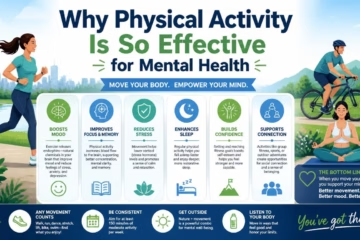
4. Move regularly and include moderate exercise
Physical activity supports cardiovascular, metabolic, musculoskeletal, mental, and immune health. It can influence circulation of immune cells, insulin sensitivity, inflammatory regulation, sleep quality, and mood.
The World Health Organization recommends that adults accumulate 150–300 minutes of moderate-intensity aerobic activity weekly, or an equivalent amount of vigorous activity, together with muscle-strengthening activities on at least two days per week. Start below that level if necessary and progress gradually.
A balanced exercise week may include:
- Brisk walking or cycling.
- Resistance training.
- Mobility and balance work.
- Recreational sport.
- Short movement breaks during sedentary work.
- Rest and lower-intensity days.
More exercise is not always better. Heavy training without adequate energy, sleep, and recovery can increase illness risk and impair performance. This is particularly important for endurance athletes, people with eating disorders, and anyone recovering from infection.
Dopamine connection: motivation is trainable, not a character trait
Dopamine contributes to effort allocation and reward prediction. If exercise is always framed as punishment, the brain may learn to avoid it. If movement is linked to music, nature, social interaction, mastery, or visible progress, the routine may become more rewarding.
Use a minimum viable session: five minutes of walking, one set of exercises, or gentle mobility. Starting creates information and often increases motivation after action begins. Track consistency and recovery, not only calories or intensity.

Dopamine Nation by Dr. Anna Lembke
Discover ‘Dopamine Nation: Finding Balance in the Age of Indulgence’ by Dr. Anna Lembke, a profound exploration of pleasure, pain, and the science of addiction. Learn how to navigate the modern culture of overindulgence, reset dopamine levels, and embrace discomfort as a pathway to authentic joy.
5. Use prevention tools: vaccination, hygiene, and medical care
Lifestyle supports immune function, but it does not replace prevention. Vaccination trains adaptive immunity to recognize specific pathogens and can reduce the risk of severe disease. Keep vaccinations current according to national recommendations and personal medical guidance.
Additional prevention measures include:
- Washing hands when appropriate.
- Improving ventilation in crowded indoor spaces.
- Staying home when acutely ill when possible.
- Following respiratory hygiene.
- Using protective equipment in relevant occupational settings.
- Attending recommended screenings and checkups.
- Managing chronic conditions.
- Seeking care for persistent, severe, or unusual symptoms.
This is where the phrase “boost your immune system” can become misleading. General wellness habits cannot provide pathogen-specific protection in the way a vaccine can.
People who are immunocompromised, pregnant, older, undergoing cancer treatment, or living with chronic disease may require tailored prevention plans. Do not rely on internet supplement protocols in place of medical guidance.
6. Avoid immune-disrupting exposures and supplement only when indicated
Smoking damages respiratory defenses and increases vulnerability to infection and chronic disease. Excessive alcohol can impair immune function, sleep, nutrition, and liver health. Avoiding tobacco and moderating alcohol are more evidence-based priorities than collecting a long list of supplements.
Supplements can be useful when a deficiency exists, intake is inadequate, or a clinician recommends them. Vitamin D, vitamin B12, iron, folate, zinc, and other nutrients may require attention in specific populations. But supplement quality, dosing, interactions, and contraindications matter.
Be cautious with claims that elderberry, echinacea, garlic, high-dose vitamin C, or “detox” products can broadly prevent infections. Some may have limited evidence for particular outcomes, but none should be treated as a universal immune shield. High-dose zinc can cause copper deficiency; excess vitamin A can be toxic; vitamin D can accumulate; herbal products can interact with medicines.
Hydration supports normal physiological function, but water does not “flush toxins” from the immune system or wash away pathogens throughout the body. Drink according to thirst, climate, activity, and medical needs.
Muse Headband: A Game-Changer for Meditation
The brain–immune–dopamine connection
The relationship between dopamine and immunity is real but easy to oversimplify.
Dopamine signaling can influence immune-cell behavior, inflammation, motivation, movement, and reward-based decisions. In the opposite direction, immune signals released during infection or inflammation can affect the brain, producing fatigue, reduced appetite, sleep changes, lower motivation, and “sickness behavior.” These responses can conserve energy and promote recovery, but prolonged inflammation may affect mood and cognition.
A practical implication is that immune health and mental health should not be separated. A person who is exhausted and inflamed may not lack discipline; their motivational system may be responding to biological strain. Conversely, persistent sleep loss, stress, inactivity, and reward-driven coping can make a health-supportive routine harder to maintain.
The most useful intervention is often a small systems change:
- Put fruit and protein where they are easy to reach.
- Anchor wake time to daylight.
- Keep walking shoes visible.
- Schedule recovery before exhaustion.
- Make social support part of the plan.
- Replace one high-stimulation habit with a constructive reward.
This is not “hacking dopamine.” It is designing an environment in which immune-supportive behavior has a realistic chance of repeating.
What antioxidants can – and cannot – do
Antioxidants such as vitamin C, vitamin E, carotenoids, polyphenols, and selenium participate in redox biology. Oxidative processes are not purely harmful; immune cells use reactive molecules in defense. The goal is not to eliminate all oxidation but to maintain regulated balance.
Whole foods are generally preferable to high-dose antioxidant supplements because they deliver interacting nutrients and fiber. Large supplement trials have not consistently shown that isolated antioxidants prevent disease, and some high-dose products may cause harm in specific groups.
Eat a colorful diet, but avoid turning color into a guarantee. Blueberries do not make a person infection-proof, and a “cleanse” cannot replace sleep, vaccination, or clinical treatment. 🌈
📒 Related Reads:



A dopamine-aware immune-support routine
Use this seven-day experiment:
- Keep the same wake time within a reasonable range.
- Get outdoor daylight early in the day.
- Eat one meal containing protein, plants, and fiber.
- Walk for at least ten minutes, adjusting for ability and health.
- Take one intentional recovery pause before you feel depleted.
- Replace one automatic high-stimulation behavior with a constructive reward.
- Record sleep quality, energy, mood, movement, and symptoms without judging yourself.
The purpose is not to produce a perfect score. It is to identify which environmental cues make healthy behavior easier. If a routine repeatedly fails, redesign the cue or reduce the starting requirement rather than relying on shame.
Muse Headband: A Game-Changer for Meditation
🌿 Your free holistic routine for immune-supportive habits
The immune system benefits from patterns, not isolated acts of optimization. Build those patterns with the Holistic Routine Created by a Free Expert to Nourish Your Daily Life.
The Holistic Living Routine
Get our Free Expert-Crafted Holistic Routine to Nourish Your Daily Life.
Adapt the routine to include nourishing food, sufficient sleep, movement, stress regulation, hydration, social connection, and preventive healthcare. The best routine is not the most impressive one. It is the one you can repeat during ordinary weeks and adjust during illness, travel, caregiving, or high workload.
For readers interested in the wider body–mind connection, explore: The Perfect Daily Routine: Nurturing Body, Mind, and Soul.
❓ Frequently asked questions about immunity and dopamine
Which supplements and antioxidants are recommended to strengthen immunity?
Supplements such as vitamin C, vitamin D, zinc, elderberry, echinacea, and garlic can boost immunity. Antioxidants like vitamin E, vitamin C, lycopene, anthocyanins, lutein, zeaxanthin, and beta-carotene help neutralize free radicals and support immune health.
Why is hydration important for immune health, and how can I stay properly hydrated?
Drinking plenty of water helps remove toxins and wash away pathogens in the nasal passages, reducing illness risk. Drinking lemon water or warm water and avoiding dehydration is essential for maintaining a healthy immune system.
In what ways can reducing stress benefit my immune health?
Lowering stress levels through activities like meditation, exercise, yoga, social interactions, or engaging in hobbies can improve immune function by decreasing stress-related hormone production that impairs immune response.
What are some effective ways to improve sleep to enhance immunity?
To improve sleep, aim for 7 to 9 hours of quality sleep nightly, follow a regular bedtime, limit caffeine and screen time before bed, and keep your bedroom cool and dark to support the immune system.
How can I naturally boost my immune system through diet?
Eating a diet rich in fruits and vegetables, such as papaya, citrus fruits, kiwi, spinach, and red bell peppers, provides essential nutrients and antioxidants that support immune function and reduce inflammation.
What is the fastest way to strengthen the immune system?
There is no instant immune-strengthening method. Prioritize vaccination and prevention, sleep, adequate nutrition, regular movement, stress regulation, and medical care for deficiencies or chronic conditions.
Does dopamine improve immune function?
Dopamine participates in neuroimmune communication, but more dopamine is not automatically healthier. Immune outcomes depend on coordinated signaling across the nervous, endocrine, metabolic, and immune systems.
Can vitamin C prevent infections?
Vitamin C is essential for normal immune function, and deficiency can impair health. Routine high-dose supplementation does not guarantee infection prevention. Food sources are generally preferable unless a clinician recommends supplementation.
Do supplements strengthen immunity?
Supplements can correct deficiencies or support specific medical needs, but they are not universal immune boosters. Dose, quality, interactions, and individual risk matter. Discuss supplements with a healthcare professional.
How much sleep supports immune health?
Many adults need at least seven hours nightly, but quality, regularity, age, and individual needs matter. Persistent insomnia, snoring, or daytime sleepiness deserves evaluation.
Can stress make me sick?
Chronic stress can affect sleep, behavior, hormonal signaling, and immune regulation. It does not mean every illness is caused by stress, and stress reduction should complement – not replace – diagnosis and treatment.
Does drinking water remove pathogens from the body?
Hydration supports normal physiological function and helps prevent dehydration, but water does not cleanse the body of infections or replace immune defenses and medical treatment.
💬 Questions for reflection and discussion
- Which immune-supportive behavior becomes hardest when you are tired or stressed?
- What immediate reward could make that behavior easier to repeat?
- Have you ever mistaken a supplement promise for evidence of disease prevention?
- How can wellness writing encourage healthier habits without creating fear of illness?
- Which matters more for your routine right now: better sleep, more movement, improved meals, stress recovery, or preventive care?
Share your experience. Immune health is shaped by biology, environment, access, work, caregiving, culture, and medical history – so practical discussion is more useful than one-size-fits-all advice.
The central lesson is not that dopamine is good or bad, nor that the immune system can be switched into permanent high alert. Health depends on regulation: enough activation to respond, enough restraint to avoid unnecessary damage, enough recovery to restore capacity, and enough motivation to repeat supportive behaviors.
As research develops around the gut–immune–brain axis, exercise immunology, sleep science, and personalized prevention, future wellness may become less focused on dramatic “boosts” and more focused on resilient systems. The most valuable health technology may not be another supplement dashboard, but an environment that makes sleep, movement, nourishing food, social connection, vaccination, and recovery easier to choose.
The immune system will remain complex. That is not a reason for helplessness; it is a reason to abandon simplistic promises. The future of immunity belongs to informed consistency – not perfect control. 🧬
Medical note: No food, supplement, or lifestyle practice can make a person immune to infection. This article is educational and does not replace vaccination, diagnosis, prescribed treatment, or individualized advice from a qualified healthcare professional.
📚 References and further reading
- Centers for Disease Control and Prevention. “Healthy Habits: Enhancing Immunity.”
- Centers for Disease Control and Prevention. “Healthy Habits to Prevent Flu.”
- Centers for Disease Control and Prevention. “Vaccines and Immunizations.”
- World Health Organization. “Physical Activity.”
- National Institutes of Health, National Institute of Allergy and Infectious Diseases. “Immune System Overview.”
- National Institutes of Health, Office of Dietary Supplements. “Vitamin C: Fact Sheet for Health Professionals.”
- National Institutes of Health, Office of Dietary Supplements. “Zinc: Fact Sheet for Health Professionals.”
- Garbarino, S., et al. (2021). “Role of Sleep Deprivation in Immune-Related Disease Risk and Outcomes.” Sleep Medicine Reviews, 56, 101409.
- Elenkov, I. J., Wilder, R. L., Chrousos, G. P., & Vizi, E. S. (2000). “The Sympathetic Nerve Integrative Interface Between Two Supersystems: The Brain and the Immune System.” Pharmacological Reviews, 52(4), 595–638.
- Bromberg-Martin, E. S., Matsumoto, M., & Hikosaka, O. (2010). “Dopamine in Motivational Control: Rewarding, Aversive, and Alerting.” Neuron, 68(5), 815–834.
- Nusslock, R., et al. (2024). “Neuroimmune Network Model of Depression.” Nature Reviews Neuroscience.
- Calder, P. C. (2020). “Nutrition, Immunity and COVID-19.” BMJ Nutrition, Prevention & Health, 3(1), 74–92.
Learn, Help Family And Friends, And Help The Planet!