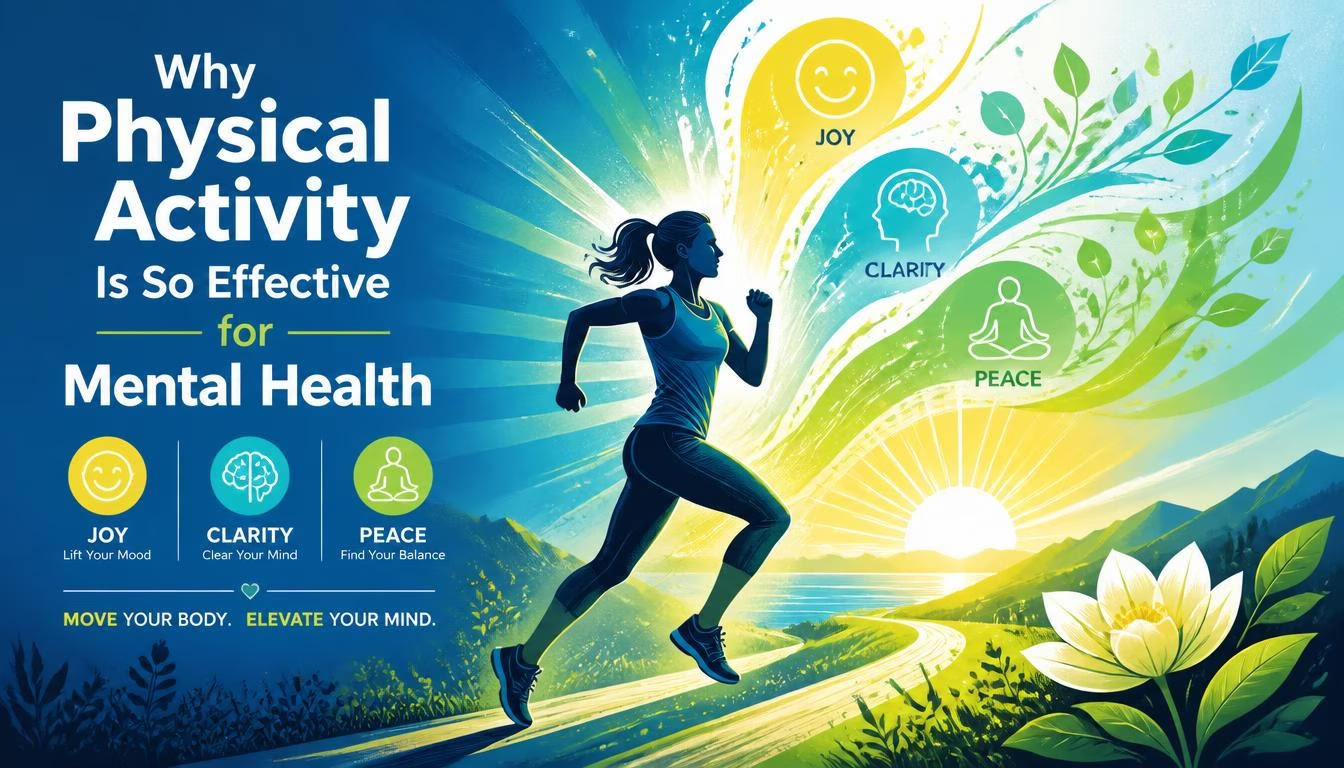
The most helpful kind of exercise is the kind you can return to
When anxiety is loud, stress has become your default setting, or burnout has left you emotionally empty, the advice to “exercise more” can feel almost insulting.
You may already know that movement is good for you. You may have read that exercise releases endorphins, improves cardiovascular health, and helps you sleep. Yet knowing something is beneficial does not automatically give you the energy, confidence, or emotional capacity to do it.
If you are struggling, the problem is rarely a lack of information. More often, your system is overloaded. You are trying to meet responsibilities, respond to messages, solve problems, care for other people, and keep functioning while your body is asking for recovery.
This is why physical activity for mental health needs to be understood differently.
Movement is not a punishment for eating, a way to earn rest, or a demand to become a different body. It is a form of communication with your nervous system. A walk can tell your body that it is safe to move through the world. Strength training can rebuild a sense of capability. Dancing can reconnect you with pleasure. Gentle stretching can create a few minutes in which you are no longer fighting your body.
The goal is not to force yourself into an ideal routine. The goal is to discover the smallest, most supportive dose of movement that helps you feel a little more present, regulated, and alive.
A gentle truth: You do not need to feel motivated before you begin. You only need a version of movement that feels possible today.
This guide explains why physical activity is so effective for mental health, what the evidence actually shows, how movement may help with anxiety, stress, and burnout, and how to create a sustainable routine without turning wellbeing into another source of pressure.
If you are exploring wellbeing as a whole rather than as a collection of isolated habits, begin with The Dream Oak’s guide to holistic living. Movement is one branch of a wider tree that also includes rest, emotional health, relationships, nature, purpose, and self-care.
🏃🧠 Why Physical Activity Is So Effective for Mental Health
What counts as physical activity?
Physical activity is broader than formal exercise. The World Health Organization defines it as any bodily movement produced by skeletal muscles that requires energy expenditure. That includes walking, cycling, dancing, gardening, household tasks, active travel, recreational sport and movement at work.
This distinction matters because many people reject exercise before they have even started. They imagine a gym, a strict programme, expensive equipment or a body that already looks athletic. None of those things are prerequisites for mental-health benefits.
Physical activity might be:
- walking around the block;
- taking the stairs when it feels comfortable;
- stretching between meetings;
- gardening or caring for plants;
- swimming slowly;
- doing a short yoga practice;
- dancing to two songs;
- carrying shopping bags;
- playing with a child or dog;
- cycling to a nearby destination;
- doing a few simple strength exercises at home;
- standing up and moving for two minutes after a long period of sitting.
Some activities raise your heart rate. Others improve mobility, balance, coordination or body awareness. Some are social, while others offer solitude. Some calm you; others energise you.
The best choice depends on your current needs. If you are restless and mentally agitated, a rhythmic walk may help discharge some tension. If you feel depleted and disconnected, gentle mobility or a short walk outdoors may be more appropriate than an intense workout. If you are carrying anger or frustration, a more vigorous session may feel liberating – provided it is safe and does not become another form of self-criticism.
There is no single correct way to move.

Muse Headband: A Game-Changer for Meditation
Why movement changes how the mind feels
Physical activity affects mental health through several overlapping pathways. It changes body chemistry, brain activity, sleep, attention, confidence, daily structure, and social connection. No single explanation tells the whole story.
1. Movement helps regulate the stress response
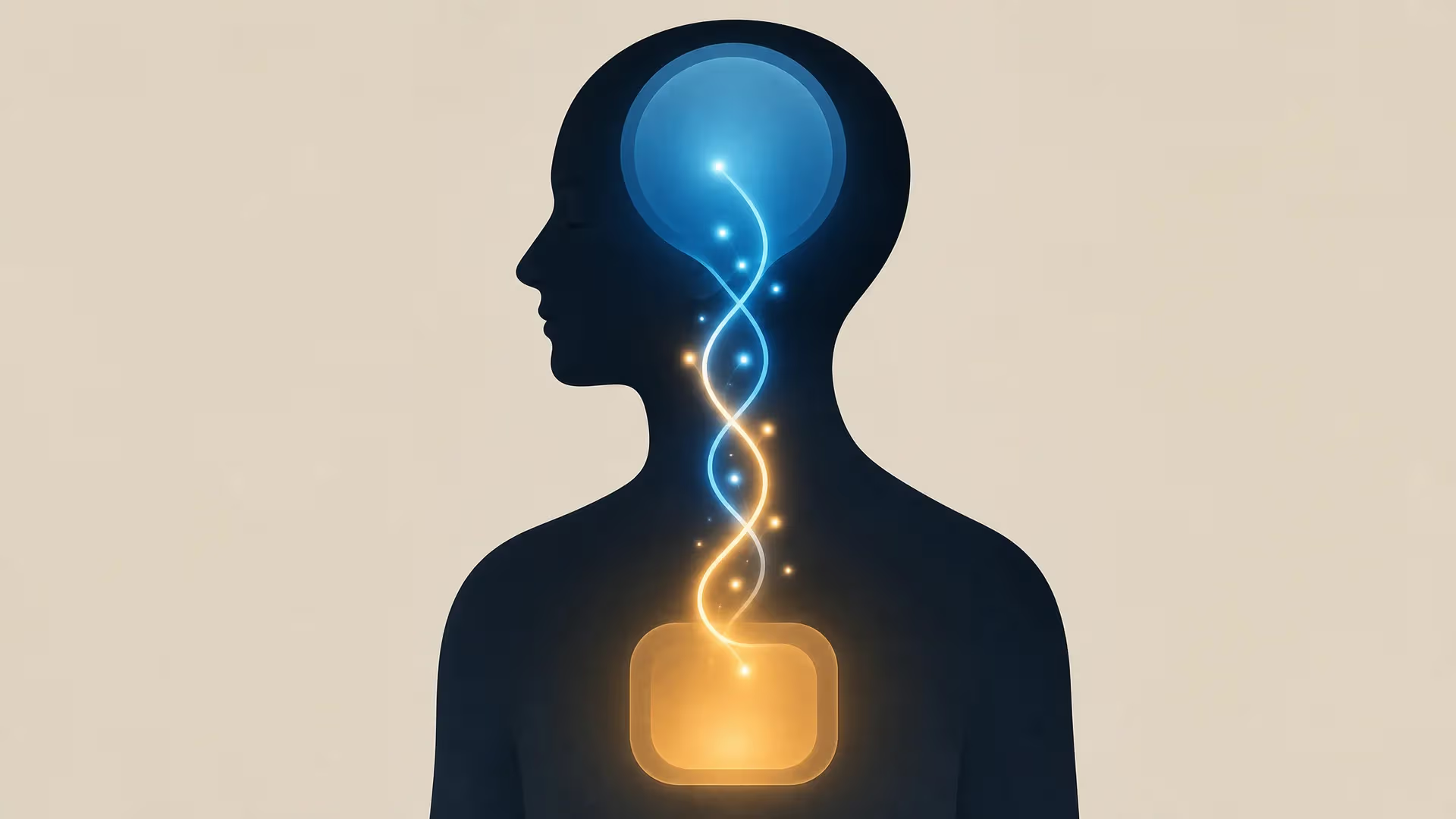
Stress is not simply a thought. It is a whole-body response involving the brain, nervous system, hormones, breathing, heart rate, muscle tension, and attention.
When you feel threatened – whether the threat is a difficult conversation, financial uncertainty, an overloaded inbox, or persistent worry – your body prepares for action. Your heart beats faster, your muscles tighten, and your attention narrows towards problems. This response is useful in short bursts. It becomes exhausting when it remains activated for too long.
Physical activity gives the body a safe, structured way to use some of the energy associated with that activation. Walking, climbing, carrying, swimming, or dancing all provide a physical outlet. Afterwards, the nervous system receives new information: the body moved, completed something, and returned to a resting state.
This does not mean exercise “flushes out” stress hormones in a simplistic way. Nor does it mean a workout can solve the cause of chronic stress. Movement is better understood as one tool that can improve your capacity to move through stress and recover from it.
A calm walk will not remove an unhealthy workload. It can, however, make it easier to think clearly enough to set a boundary, ask for help, or decide what needs to happen next.
For more practical ways to settle an activated nervous system, explore Stress Relief Techniques: The Neuroscience of Calm and How to Build It Daily.
2. It supports brain chemicals involved in mood and motivation
Movement influences several biological systems involved in mood regulation, including endorphins, endocannabinoids, serotonin, dopamine, and noradrenaline. These systems are complex, and it is not accurate to reduce exercise to a simple “endorphin high.”
The more useful point is this: physical activity changes the internal conditions in which mood, attention, and motivation operate.
After movement, some people experience greater calm. Others feel more alert. Some notice a sense of achievement, while others simply appreciate a temporary break from rumination. The effect can be subtle. You may not feel euphoric; you may only notice that the problem that seemed impossible at 9:00 now feels slightly more manageable at 9:30.
That small change matters. Mental health is often supported by repeated moments of improved regulation rather than one dramatic transformation.
3. It interrupts rumination
Rumination is repetitive, difficult-to-control thinking that circles around the past, the future, or a perceived threat. It can look like analysing a conversation for hours, rehearsing every possible disaster, or repeatedly asking why you feel the way you do without reaching a useful conclusion.
Movement can interrupt this loop by giving attention a sensory anchor. You feel your feet touching the ground, notice the rhythm of your breathing, observe the temperature of the air, or coordinate your movements with music. The mind may still produce thoughts, but it has another channel of information to process.
This is one reason a mindful walk can be so valuable. You do not have to empty your mind. You simply practise returning attention to what is happening now.
Try this during your next walk:
- Notice three colours around you.
- Feel the contact between your feet and the ground.
- Listen for the furthest sound you can hear.
- Relax your jaw and lower your shoulders.
- When your mind starts planning or worrying, name it gently: “thinking”, “planning” or “worrying”.
- Return to one physical sensation.
This is not about forcing anxiety away. It is about widening your attention so that anxiety is not the only thing in the room.
If you are new to this approach, What Is Mindfulness? offers more everyday practices, while How to Meditate for Beginners explains how to work with a wandering mind.
4. It improves sleep, which improves emotional resilience
Sleep and movement influence each other. Regular physical activity is associated with better sleep quality, while poor sleep can make exercise feel more difficult and can increase emotional reactivity.
When you sleep badly, everyday challenges may feel sharper. You may have less patience, less impulse control, and less ability to put a problem into perspective. Anxiety can also become more intense because tiredness reduces the brain’s capacity to regulate threat-related thoughts.
Movement may help by increasing sleep pressure, supporting circadian rhythm and reducing physical restlessness. Timing and intensity matter, though. A vigorous workout immediately before bed may energise some people, while a gentle walk or stretching routine may help others transition into rest.
Do not use exercise to compensate for sleep deprivation indefinitely. If you are exhausted, start with light activity and prioritise recovery. Your body does not need to be pushed harder simply because you are tired.
For a broader approach, connect this article with The Dream Oak’s sleep routine guide and the Holistic Daily Routine, which brings movement, rest, mindfulness and self-care into one practical framework.
5. It rebuilds confidence through evidence, not positive thinking
Anxiety and burnout can alter the way you relate to your own abilities. You may begin to see yourself as fragile, unreliable, or incapable of following through. Every unfinished task becomes evidence against you.
A small movement commitment offers a different kind of evidence. You decide to walk for ten minutes, and you do it. You practise a few strength exercises, and you notice that your body adapts. You attend a class, ask for a gentler option, and discover that you can participate without performing perfectly.
This is not superficial confidence. It is self-efficacy: the belief that you can take meaningful action and respond to difficulty. It grows through experience.
The action does not have to be impressive. In fact, choosing an achievable action is often wiser than setting an ambitious goal you cannot sustain. Confidence is built by keeping promises that are small enough to keep.
6. It creates structure when life feels shapeless
Burnout often disrupts ordinary rhythms. Work may spill into the evening. Weekends may become recovery days rather than enjoyable days. Eating, sleeping, and socialising can lose their regular pattern.
A short daily walk can provide a reliable anchor. A weekly swim can create a transition between work and home. A morning mobility practice can mark the beginning of the day before messages and responsibilities take over.
Structure is not the same as rigidity. A supportive routine has room for tired days, pain, illness, changing schedules, and emotional fluctuations. The point is not to control every hour. It is to give your mind and body a few predictable points of contact.
7. It can create connection and belonging
Physical activity does not have to be solitary. Walking with a friend, joining a beginner class, playing a recreational sport, or volunteering in a community garden can reduce isolation while providing movement.
For someone experiencing anxiety, social exercise may feel intimidating. Start with low-pressure options: a quiet walking route, an online class with the camera off, or inviting one trusted person to move with you without making the activity a performance.
Connection is one part of a fulfilled life that integrates body, mind, and soul. Movement can be a doorway into that wider sense of belonging.
Muse Headband: A Game-Changer for Meditation
What does the research say about physical activity and mental health?
The evidence is now too substantial to treat physical activity as merely a lifestyle extra. The World Health Organization states that regular physical activity reduces symptoms of depression and anxiety, supports brain health and improves overall wellbeing.
A major 2023 umbrella review published in the British Journal of Sports Medicine examined systematic reviews and meta-analyses of physical activity interventions for depression, anxiety and psychological distress. The authors concluded that physical activity is highly beneficial for improving symptoms across a wide range of adult populations, including people with and without diagnosed mental-health conditions.
The review also found that beneficial effects can occur with different forms of activity, rather than one exclusive type. Walking and aerobic exercise, resistance training, yoga and mixed movement approaches may all contribute. This is encouraging because the “best” exercise is not necessarily the one with the most impressive reputation. It is the one that is accessible, acceptable and safe enough for you to repeat.
The evidence does not say that exercise replaces therapy, medication, rest, social support or medical care. It says that movement can be a meaningful part of a wider treatment and wellbeing plan.
The WHO also emphasises that any amount of physical activity is better than none, and that all movement counts. For general physical health, adults are commonly advised to work towards 150–300 minutes of moderate-intensity aerobic activity per week, or 75–150 minutes of vigorous activity, alongside muscle-strengthening activities on two or more days. These are population-level guidelines, not a pass-or-fail test for a person dealing with anxiety, illness, or burnout.
If you are currently inactive, starting with five minutes is not a failure to meet the guideline. It is a valid first step towards greater activity.
A note about the strength of evidence
Research on exercise and mental health has limitations. Studies vary in the type, duration, and intensity of activity. People may know whether they are in an exercise group, which can influence expectations. Some studies measure symptoms over a relatively short period, while long-term adherence is more difficult to study.
That does not make the evidence useless. It means we should communicate it responsibly:
- physical activity can reduce symptoms, but it is not guaranteed to remove them;
- benefits vary between people;
- more is not always better;
- the effects of exercise may complement, rather than replace, professional treatment;
- enjoyment, access, safety and sustainability matter;
- rest and adaptation are part of a healthy programme.
Evidence-informed wellbeing leaves room for both hope and reality.
How physical activity may help anxiety
Anxiety often involves a heightened sensitivity to threat. The body may feel tense, the heart may race, breathing may become shallow, and attention may scan for danger. Even when you consciously know that you are safe, your physiology may disagree.
Movement can help in several ways.
It gives anxious energy somewhere to go
Anxiety creates an urge to act: escape, check, solve, avoid, rehearse, or seek reassurance. A walk, a cycle, or a gentle workout provides a safe action without requiring you to solve the entire future.
It teaches the body that an elevated heart rate is not always danger
This point needs care. For some people, sensations such as a racing heart or breathlessness can trigger panic. Intense exercise may initially feel uncomfortable. You do not need to expose yourself to frightening sensations without guidance.
With gradual, supported activity, however, some people learn to distinguish between a normal physiological response to movement and a sign of imminent danger. A qualified professional can help if exercise sensations are closely linked with panic.
It reduces avoidance
Avoidance provides short-term relief but can strengthen anxiety in the long term. If anxiety tells you that the outside world is unsafe, taking a short walk to a familiar place can become a gentle experiment: “I can feel anxious and still move through this moment.”
The aim is not to force yourself into situations that feel overwhelming. It is to expand your world gradually, with compassion and appropriate support.
It supports attention flexibility
Anxiety narrows attention towards threat. Movement that includes sensory awareness can practise shifting attention between internal and external experiences. You may notice your breathing, then the trees, then your feet, then the sound of traffic. This flexibility is useful even when anxious thoughts remain present.
Muse Headband: A Game-Changer for Meditation
How physical activity may help chronic stress
Stress becomes particularly harmful when there is no genuine recovery between demands. You finish one problem and immediately receive another. You remain reachable at all times. Your body may never receive a clear signal that the working day has ended.
Physical activity can create a transition.
A twenty-minute walk after work may not change the workload, but it can separate “work mode” from “home mode.” A short stretching routine may help you notice where you are holding tension. A swim may offer an hour in which your phone is not central to your attention.
Movement also supports the habits that make stress more manageable: sleep, appetite regulation, social connection, and time outdoors. These effects often work together rather than independently.
For example:
- You walk outdoors and receive daylight.
- The walk helps your mind transition away from work.
- You sleep more easily that night.
- Better sleep improves your emotional patience the next morning.
- More patience makes it easier to respond to stress rather than react automatically.
This is not a miracle. It is a small loop of recovery.
The value of outdoor movement
Nature can add another layer to physical activity. Green space provides visual softness, natural sounds, and opportunities for slower, less performance-driven movement. Walking in a park, tending a garden, or sitting outside after a short walk can help you feel less trapped inside your thoughts.
Read more about how nature contributes to wellbeing and explore the Nature & Spirit category for practices that connect movement with restoration and meaning.
How physical activity may help burnout – and where it cannot
Burnout is more than ordinary tiredness. It is commonly associated with chronic workplace stress and may involve exhaustion, mental distance or cynicism, and reduced professional efficacy. Burnout can affect people outside traditional employment too, especially when long-term caring, emotional labour or relentless responsibility leaves little space for recovery.
Movement may help with some parts of burnout, particularly low mood, sleep disruption, physical tension, disconnection from the body and loss of daily rhythm. But exercise cannot repair an environment that continues to demand more than a person can safely give.
If your burnout is caused by excessive workload, unsafe conditions, harassment, lack of control, or impossible expectations, the solution must include changes to those conditions. A walk is not a substitute for boundaries, rest, reasonable workload, medical care, or workplace support.
When burnout is severe, intense exercise may add stress rather than relieve it. Signs that you may need a gentler approach include:
- waking exhausted despite sleeping;
- persistent muscle soreness or unusual fatigue;
- dizziness, chest pain, or breathlessness that feels abnormal;
- frequent illness;
- disrupted menstrual cycles;
- strong dread before exercise;
- feeling compelled to train despite pain or exhaustion;
- worsening mood after workouts;
- using exercise to punish yourself or compensate for eating.
In these situations, the most supportive movement may be a slow walk, mobility exercises, restorative yoga, or simply getting outside for fresh air. Rest is not laziness. Recovery is an active part of health.
For a deeper self-care perspective, read Self-Care: The Key to a Healthy Life and browse Vitality & Wellness.
Which types of movement are best for mental health?
There is no universal winner. Different forms of movement offer different psychological experiences.
Walking: the most accessible starting point
Walking is rhythmic, adaptable, and usually easy to scale. You can walk for five minutes or an hour, indoors or outdoors, alone or with someone else. It can support mood while placing relatively low demands on planning and equipment.
Try choosing a route based on how you want to feel:
- a quiet route when you need to decompress;
- a green route when you need restoration;
- a social route when you feel isolated;
- a practical route that helps you complete an errand;
- a familiar route when anxiety is high.
A “minimum walk” can be as simple as putting on comfortable shoes and walking for five minutes. If you feel better, continue. If not, returning home still counts.
Aerobic activity: rhythm and energy
Cycling, swimming, jogging, dancing, and brisk walking raise the heart rate and can provide a strong mood shift. They may be especially appealing when you feel physically restless or mentally stuck.
You do not need to exercise at maximum intensity. Moderate movement – where you can speak in short sentences but are breathing more heavily – is enough for many general health goals.
Strength training: capability and groundedness
Strength training can improve physical function and self-efficacy. It may help you feel grounded in your body, particularly if anxiety has made you feel detached or physically fragile.
Start with bodyweight movements, resistance bands, or light weights. Focus on technique, gradual progression, and recovery rather than punishment. A qualified trainer or physiotherapist can help you adapt exercises to your needs.
Yoga and mindful movement: body awareness
Yoga combines movement, breath, and attention. For some people, that combination feels calming and integrating. For others, stillness or certain body sensations may initially feel uncomfortable. Choose an inclusive, beginner-friendly approach and modify freely.
A yoga mat can make a small home practice easier to begin. The Complete Unity Yoga mats may be relevant if you want a dedicated surface for yoga, stretching, or mobility work. The product is not necessary; a carpet or folded blanket can work perfectly well.
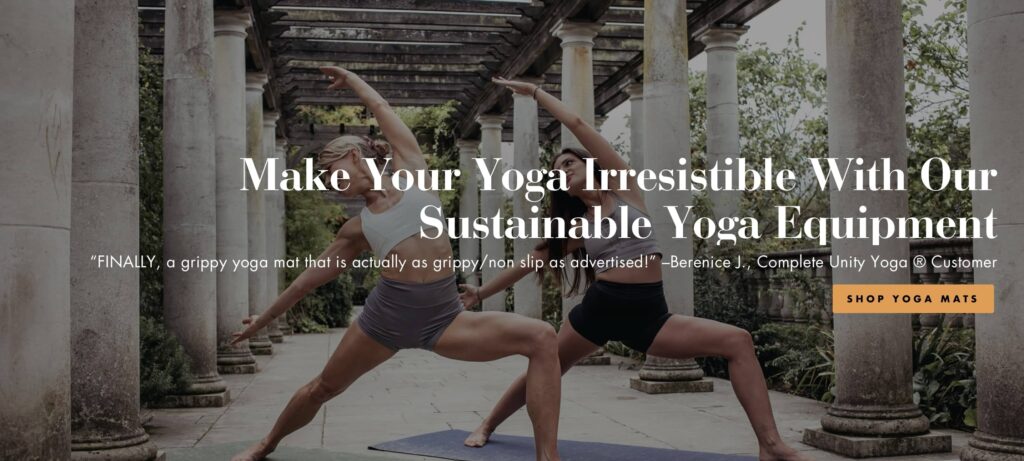
Complete Unity Yoga ® Mats
Complete Unity Yoga® mats feature revolutionary CompleteGrip™ technology – a non-slip jute surface that grips with every pose, eliminating frustrating mat adjustments during practice. Made from sustainable, eco-friendly materials and trusted by over 20,000 yogis worldwide, these premium mats deliver confidence and stability whether you’re a beginner or an advanced practitioner. Available in 4mm studio mats (~$108), lightweight 2mm travel mats (~$95), or complete beginner sets with accessories (~$191). Featured in Vogue, The Guardian, and trusted by Netflix, Warner Bros., and L’Oréal. Every mat comes with a slip-free guarantee – experience the difference an unslipping mat brings to your practice.
Dancing: pleasure and self-expression
Dancing is often dismissed because it does not look like conventional training. That is precisely why it can be powerful. Music, rhythm, and playful movement can reconnect you with pleasure when life has become dominated by duty.
Dance privately if that feels safer. Put on one song and move in whatever way feels natural. No choreography is required.
Nature-based activity: movement plus restoration
Hiking, gardening, outdoor yoga, and walking near water combine physical activity with exposure to natural environments. They may support a more spacious form of attention and create a sense of connection beyond the self.
Do not turn nature into another performance goal. You do not need to hike a mountain. Sitting beneath a tree after a ten-minute walk is still a meaningful experience.
How much movement do you need to feel a benefit?
The honest answer is that it varies.
Some people feel a short-term mood shift after ten minutes of movement. Others need several weeks of regular activity before noticing changes in sleep, anxiety, or energy. If you are severely sleep-deprived, depressed, injured, or burned out, your response may be slower and less predictable.
The WHO recommendation of 150–300 minutes of moderate activity per week is a useful general health target, but it should not become a source of shame. You can build towards it gradually. You can also benefit from much less.
A realistic progression might look like this:
Week 1: Move for five to ten minutes on most days. Stop while it still feels manageable.
Week 2: Add a second short walk, or extend two sessions by five minutes.
Week 3: Include two gentle strength or mobility sessions.
Week 4: Choose one enjoyable activity to repeat weekly, such as swimming, dancing, yoga, or a longer nature walk.
This is only an example. Your starting point may be smaller. If you are already active, your challenge may be reducing intensity and protecting recovery.
Track how movement affects your experience rather than tracking only minutes. Before and after activity, ask:
- Is my breathing more settled?
- Do I feel more connected to my body?
- Is my mind less stuck on one thought?
- Do I have slightly more energy or calm?
- Did I enjoy any part of it?
- How did I feel later that day and the next morning?
These questions help you choose movement based on wellbeing rather than numbers alone.
A gentle movement plan for anxiety, stress and burnout
This four-week plan is designed for someone who feels overloaded. It is intentionally modest.
Week 1: Create a safe starting point
Choose one form of movement that feels least threatening. Walk for five to ten minutes, stretch beside your bed, or move gently to one song.
Your only goal is consistency, not improvement. Attach the activity to an existing cue: after your morning tea, before lunch, or immediately after closing your laptop.
If anxiety is high, make the plan more specific:
- Which shoes will you wear?
- Where will you go?
- What will you do if you want to stop?
- Who could accompany you?
- What time of day feels safest?
Preparation reduces the number of decisions required.
Week 2: Add a little variety
Keep your easiest movement and add one different experience. For example, take two short walks and complete one ten-minute mobility routine.
Notice whether different forms of movement affect you differently. Walking may settle your thoughts, while strength training may improve confidence. Neither needs to replace the other.
Week 3: Connect movement with nature or people
Choose one social or outdoor session. Invite a trusted person for a walk, visit a park, or spend ten minutes gardening.
This week is not about doing more. It is about discovering which forms of movement nourish you beyond the physical effort.
Week 4: Build your personal minimum
Create a “minimum viable routine” for difficult days. It might be:
- five minutes of walking;
- three gentle stretches;
- one song of dancing;
- stepping outside and walking to the end of the street;
- two sets of a simple strength movement;
- breathing slowly while moving your shoulders and neck.
Then create an “ideal but flexible routine” for days with more energy. Keeping both plans prevents the all-or-nothing cycle. You do not have to choose between doing everything and doing nothing.
How to stay active when motivation disappears
Motivation is unreliable during anxiety, chronic stress, and burnout. Build a system that does not depend on feeling inspired.
Make the first step almost embarrassingly easy
Put your shoes by the door. Place your mat where you can see it. Decide that you only need to begin for three minutes. Starting is often harder than continuing.
Use implementation intentions
Instead of “I should exercise more,” decide: “After I brush my teeth in the morning, I will walk for five minutes.” The specific cue makes the behaviour easier to remember.
Remove performance from the activity
Do not measure every session by calories, pace or distance. Sometimes the most valuable outcome is that you listened to your body and stopped at the right moment.
Choose pleasure before optimisation
An activity you enjoy for twenty minutes is usually more useful than an “optimal” programme you avoid. Your routine should fit your life, not require your life to be rebuilt around it.
Create a compassionate restart rule
Missed days are normal. Do not wait for Monday, a new month, or a perfect plan. Restart with the smallest version at the next available opportunity.
Protect recovery
More exercise is not automatically better mental-health care. Schedule rest, eat enough, hydrate, and reduce intensity when your body asks for it.
Common myths about exercise and mental health
Myth 1: You need to work out intensely for it to count
False. Light and moderate activity can be meaningful, especially when you are beginning or recovering from burnout. Intensity is one variable, not the definition of value.
Myth 2: Exercise cures anxiety and depression
Exercise can reduce symptoms and support treatment, but it is not a guaranteed cure. Mental-health conditions are real health conditions. Therapy, medication, medical assessment, social support, and lifestyle changes may all have a role.
Myth 3: If you feel worse after exercise, you are doing it wrong
Not necessarily. You may be exercising too intensely, not recovering enough, choosing an activity that feels unsafe, or discovering that certain sensations trigger anxiety. Adjust the dose and seek guidance when needed.
Myth 4: Rest days are a sign of weakness
Rest allows adaptation. It protects against injury, exhaustion, and compulsive patterns. A healthy relationship with movement includes both activity and rest.
Myth 5: You have to change your body to improve your mental health
Mental-health benefits are not conditional on weight loss, appearance, or athletic performance. Movement is valuable because of how it supports function, regulation, confidence and connection.
Myth 6: A gym membership is required
Walking, household movement, outdoor activity, bodyweight exercises and free resources can all be enough to begin.
When exercise becomes unhelpful
Physical activity can support wellbeing, but it can also become compulsive or punitive. Watch for signs that movement is harming rather than helping:
- exercising despite injury, illness or severe exhaustion;
- panic or guilt when a session is missed;
- exercising to compensate for food;
- hiding exercise or lying about how much you do;
- rigid rules that interfere with work, relationships or sleep;
- feeling that your worth depends on performance;
- repeatedly increasing intensity despite worsening mood;
- ignoring medical advice or physical warning signs.
If any of these patterns feel familiar, you deserve support without judgement. A doctor, therapist, dietitian or qualified exercise professional can help you rebuild a safer relationship with movement.
Stop exercising and seek urgent medical help for symptoms such as chest pain, fainting, severe shortness of breath, sudden weakness or other symptoms that feel medically concerning. If anxiety, depression or burnout is affecting your ability to function, sleep, eat, work or stay safe, contact an appropriate mental-health professional. If you may harm yourself, seek immediate emergency help in your country or contact a crisis service.
This article offers general educational information. It does not diagnose, treat, or replace personalised medical advice.
A holistic way to think about movement
Physical activity is powerful partly because it touches many areas of life at once. It can support the body, but its benefits may travel further:
- Mind: movement can interrupt rumination and create mental space.
- Body: it supports physical function, energy, and sleep.
- Emotion: it can provide a safe outlet and a sense of capability.
- Nature: outdoor movement can restore attention and connection.
- Relationships: shared activity can reduce isolation.
- Purpose: caring for your body can become an expression of what matters to you.
That is the essence of holistic living: not perfect balance every day, but awareness of how one choice influences the wider system.
You may find that movement becomes easier when paired with another supportive practice. A mindful walk can combine physical activity and present-moment awareness. A morning walk can support movement, daylight, and routine. A weekly class can combine exercise and connection. A gentle evening stretch can link body awareness with sleep preparation.
The Mindfulness & Meditation category can help you develop the attention side of this process. Mind & Mindset explores thoughts, emotional regulation, and mental growth. Purpose & Growth can help you connect daily habits with values rather than pressure. You can also explore Physical & Mental Well-Being for related guidance on sleep, nutrition, and health.

⏱️ A simple 10-minute practice for difficult days
When you are overwhelmed, use this sequence without trying to make it impressive.
Minute 1: Stand or sit comfortably. Notice how your body feels without judging it.
Minutes 2–3: Roll your shoulders slowly, move your neck gently, and loosen your hands.
Minutes 4–7: Walk around your home, hallway, garden, or nearby street. Keep the pace easy enough to breathe comfortably.
Minutes 8–9: Pause and notice five things you can see, four things you can feel, and three things you can hear.
Minute 10: Ask yourself, “What would support me for the next hour?” The answer may be water, food, rest, a boundary, a shower, a message to someone, or another short walk.
This practice is not designed to eliminate anxiety. It gives you ten minutes of contact with your body and the present moment. Sometimes that is the next right step.
📄 Free Expert-Crafted Holistic Routine
If you want a gentle structure that brings movement together with mindfulness, rest, nourishment, and intentional living, receive The Dream Oak’s Free Expert-Crafted Holistic Routine.
It is designed to help you create supportive daily rhythms without turning wellbeing into another demanding project.
Get the Free Expert-Crafted Holistic Routine and begin with one small practice that nourishes your mind, body, and soul.
📒 Related Reads:



❓ Frequently Asked Questions
Is physical activity really effective for anxiety?
Research suggests that physical activity can reduce anxiety symptoms and psychological distress for many people. It may help regulate the stress response, interrupt rumination, support sleep, and improve confidence. It is not a guaranteed cure and should not replace professional care when anxiety is severe or persistent.
What is the best exercise for mental health?
The best exercise is usually the activity that is safe, accessible and sustainable for you. Walking, cycling, swimming, strength training, yoga, dancing and outdoor recreation can all be useful. Enjoyment and consistency matter more than choosing the most fashionable programme.
Can a ten-minute walk improve my mood?
It may. Some people notice a short-term improvement in mood, calm, or mental clarity after a brief walk, while others need regular activity over several weeks before noticing a larger change. A ten-minute walk is worthwhile even if the benefit feels subtle.
How much exercise should I do if I am burned out?
Start below your maximum capacity. Gentle walking, stretching, mobility work, and restorative movement may be more appropriate than intense training. Protect sleep and recovery, and reduce the activity if you feel more exhausted afterwards. If burnout is severe or persistent, seek professional support and address the conditions causing the overload.
Can exercise replace therapy or medication?
No. Physical activity can complement therapy, medication and other treatments, but it does not replace personalised mental-health care. Speak with a qualified professional about the treatment options appropriate for you.
Why do I feel anxious when my heart rate increases during exercise?
Exercise sensations can resemble some symptoms of anxiety or panic, including a faster heartbeat and heavier breathing. Begin gently, slow down when needed, and focus on comfortable breathing. If these sensations are frightening or you have medical concerns, discuss them with a healthcare professional
Is walking enough exercise?
Walking is a valid and valuable form of physical activity. It can support cardiovascular health, mood, sleep, and daily structure. You may eventually choose to add strength, mobility, or other activities, but walking is an excellent foundation.
Does exercise help with depression as well as anxiety?
Evidence suggests that physical activity can improve depressive symptoms as well as anxiety and general psychological distress. The effect varies, and depression can make it difficult to begin. Very small steps, social support, and professional treatment may help.
Should I exercise every day?
Not necessarily. Some people enjoy daily gentle movement, while others benefit from alternating activity and rest. A healthy routine depends on intensity, recovery, health status, and personal circumstances. Rest days are part of a sustainable plan
How can I exercise if I do not feel comfortable in gyms?
You can walk outdoors, follow a beginner video at home, stretch, dance, cycle, swim, garden, or use simple bodyweight exercises. Choose environments where you feel safe and respected. There is no requirement to join a gym.
Muse Headband: A Game-Changer for Meditation
💭 Final thoughts: move towards yourself, not away from yourself
Physical activity is so effective for mental health because it is not only about fitness. It gives the nervous system a chance to regulate, the mind a chance to shift, the body a chance to feel capable, and the day a chance to develop rhythm.
For people living with anxiety, stress, or burnout, movement is most helpful when it is compassionate. You are not trying to punish yourself into wellness. You are practising a relationship with your body that says: “I am listening. I can take one supportive step.”
That step may be a walk, a stretch, a dance, a swim, a few strength exercises, or a moment outside. It may also be rest, especially when your body is asking for recovery.
Start where you are. Make it small enough to repeat. Let enjoyment count. Let rest count. Let progress include feeling more present, not only doing more.
Your mental health does not need another demand. It may need a gentler way forward. 🌿
📚 References and further reading
- World Health Organization. Physical activity: Fact sheet, 26 June 2024.
- Singh, B. et al. Effectiveness of physical activity interventions for improving depression, anxiety and distress: an overview of systematic reviews. British Journal of Sports Medicine, 2023.
- World Health Organization. WHO guidelines on physical activity and sedentary behaviour.
- Centers for Disease Control and Prevention. Adult Activity: An Overview.
- World Health Organization. Mental health – general information and resources.
Evidence note: Research findings are summarised for general readers. Study designs, populations and outcomes differ, and no single study can predict how movement will affect every individual.
Affiliate disclosure: Some product links in this article may be affiliate links. If you choose to purchase through them, The Dream Oak may earn a commission at no additional cost to you. Recommendations are made because they may be relevant to your wellbeing journey, not because they replace professional care.
Body, Mind, And Soul For A Fulfilled Life!