Overcome anxiety with exercise, a good diet, and sleep! Anxiety can be a debilitating condition that affects many people across the world. While medication and therapy are often recommended treatments, there are lifestyle changes that can also be effective in combating anxiety.
This article will explore the causes and symptoms of anxiety, as well as the benefits of physical exercise, a balanced diet, getting enough sleep, and practicing mindfulness meditation. By breaking down these different approaches to managing anxiety, we hope to provide our readers with practical tips and insights that can help them improve their mental health and overall well-being.

Unparalleled online learning experiences, New Skills Academy!
Overcome anxiety
Understanding Anxiety: Causes and Symptoms
Anxiety is a common mental health disorder that affects millions of people worldwide. It is characterized by feelings of fear, worry, and apprehension, often accompanied by physical symptoms such as rapid heartbeat, sweating, and trembling. Anxiety can be caused by a variety of factors, including genetics, brain chemistry, and life experiences such as trauma or stress.
Some common triggers of anxiety include social situations, work-related stress, financial worries, and health concerns. People with anxiety may experience different symptoms depending on the severity of their condition. These symptoms can range from mild to severe and may include restlessness, irritability, difficulty concentrating, insomnia, panic attacks, and avoidance behavior.
It is essential to understand the causes and symptoms of anxiety to manage it effectively. Seeking professional help from a mental health specialist can provide an accurate diagnosis and help develop a personalized treatment plan. However, lifestyle changes such as exercise, diet, sleep, and mindfulness practices can also be effective in reducing anxiety symptoms. By identifying the root cause of anxiety and taking proactive steps toward managing it, individuals can lead a healthier and happier life.
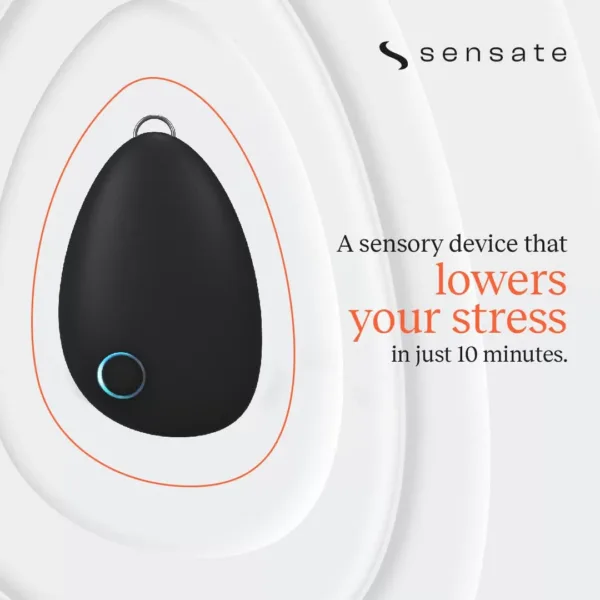
Sensate: Unlock Natural Stress Reduction in Just 10 Minutes
Sensate is a non-electrical vagus nerve wellness device that uses low-frequency sound vibrations and synchronized soundscapes to calm your nervous system in just 10 minutes. No meditation experience or breathing techniques required. Clinically shown to reduce stress by 48% in 28 days and improve sleep quality with an average of +55 minutes extra sleep per night. Simply place it on your chest, put on headphones, and let the technology work passively while your body shifts into a state of deep relaxation-measurable brain activity similar to that of experienced meditators in just 10 minutes.
The Benefits of Physical Exercise in Reducing Anxiety
Physical exercise has been proven to be an effective tool in reducing anxiety symptoms. Exercise helps release endorphins, which are natural chemicals in the body that promote feelings of happiness and well-being. This release of endorphins can help reduce stress levels and improve mood, making it an ideal way to manage anxiety.
Additionally, regular exercise can improve cardiovascular health, which in turn can lead to better physical health and a reduction in anxiety symptoms. Even low-intensity exercise, such as walking or yoga, can be beneficial in reducing anxiety.
A study published in the Journal of Psychiatric Research found that even a single session of aerobic exercise was enough to reduce anxiety symptoms in people with clinical anxiety disorders. Moreover, exercise can provide a healthy distraction from anxious thoughts and can help build self-confidence and self-esteem.
It is important to note that consistency is key when it comes to using exercise as a tool to manage anxiety. Regular physical activity can help regulate the body’s stress response system, leading to long-term reductions in anxiety symptoms. Overall, incorporating physical exercise into one’s daily routine can have significant benefits for managing anxiety symptoms, both in the short and long term.

Stress Less, Accomplish More by Emily Fletcher
In her enlightening book, Stress Less, Accomplish More, Emily Fletcher shares invaluable insights on how to manage stress effectively. This guide is tailored for anyone seeking to enhance their productivity without added pressure.
How a Balanced Diet Can Help Alleviate Anxiety Symptoms
Eating a balanced diet is an essential aspect of maintaining good physical health, but it can also play a crucial role in reducing anxiety symptoms. Research has shown that certain nutrients and foods can positively impact mood and cognitive function, which are both affected by anxiety. For example, foods rich in omega-3 fatty acids, such as salmon, flaxseed, and walnuts, have been linked to a decrease in anxiety symptoms.
Additionally, complex carbohydrates found in whole grains, fruits, and vegetables can help regulate blood sugar levels, preventing mood swings that can exacerbate anxiety. It is also important to avoid or limit the intake of caffeine and alcohol, as they can increase feelings of anxiety.
Finally, probiotics found in fermented foods like yogurt and kimchi have been shown to improve gut health, which is closely linked to mental health. Overall, eating a balanced diet that includes a variety of nutrient-dense foods can help reduce anxiety symptoms by providing the body with the necessary vitamins and minerals to support optimal brain function.
While diet alone may not be enough to manage severe anxiety disorders, incorporating a balanced diet into an overall healthy lifestyle can help individuals cope with mild to moderate symptoms and improve their overall well-being.
Top 10 Foods That Enhance Cognitive Function
| Fatty fish | Fatty fish, such as salmon, mackerel, and sardines, are rich in omega-3 fatty acids, which are essential for brain health. Omega-3s play a vital role in building brain cell membranes and are crucial for cognitive functions such as memory and performance. |
| Blueberries | Blueberries are packed with antioxidants, particularly flavonoids, which may help delay brain aging and enhance memory. Research indicates that these compounds protect the brain from oxidative stress, promoting better mental performance. |
| Turmeric | Containing curcumin, turmeric has potent anti-inflammatory and antioxidant properties. Studies suggest that curcumin can increase levels of a hormone called BDNF, which supports the health of brain neurons and may assist in improving memory and learning. |
| Broccoli | Broccoli is a fantastic source of antioxidants and vitamin K, which is believed to enhance cognitive function and improve brainpower. Its high levels of sulforaphane also provide neuroprotective effects. |
| Pumpkin Seeds | Pumpkin Seeds: These seeds are rich in magnesium, iron, zinc, and copper, all of which are essential nutrients for brain health. Magnesium, in particular, plays a critical role in improving mood and learning abilities. |
| Dark Chocolate | Dark chocolate contains flavonoids, caffeine, and antioxidants. These components may boost brain function by enhancing memory and increasing blood flow to the brain. |
| Nuts | Nuts, particularly walnuts, are known for their high levels of DHA, a type of omega-3 fatty acid. Studies indicate that the regular consumption of nuts can improve cognitive capabilities and prevent age-related decline. |
| Eggs | Eggs are a good source of several nutrients tied to brain health, including vitamin B6, vitamin B12, folate, and choline. Choline is crucial for the production of acetylcholine, a neurotransmitter that is vital for mood and memory regulation. |
| Oranges | Oranges are rich in vitamin C, an antioxidant that protects against cognitive decline. Adequate vitamin C intake supports overall brain health by preventing the degeneration of neurons. |
| Green Tea | Green tea contains caffeine and L-theanine, both of which can enhance brain function. The combination of these ingredients can increase alertness and improve memory and attention. |
The Importance of Getting Enough Sleep to Manage Anxiety
Getting enough sleep is crucial for managing anxiety. Lack of sleep can increase feelings of stress, irritability, and anxiety. A good night’s sleep can help us feel refreshed, focused, and better equipped to deal with the challenges of daily life. Sleep is also important for consolidating memories, regulating emotions, and processing information.
When we don’t get enough sleep, our ability to regulate our emotions can be compromised, leading to increased anxiety and mood swings. The recommended amount of sleep varies depending on age and lifestyle, but most adults need between seven and nine hours of sleep per night.
To improve sleep quality, it’s important to establish a regular sleep routine, avoid caffeine and alcohol before bedtime, and create a comfortable sleeping environment. Practicing relaxation techniques such as deep breathing or meditation can also help calm the mind and prepare for sleep.
For people with anxiety disorders, getting enough sleep can be especially challenging due to racing thoughts or insomnia. In these cases, it may be helpful to seek professional support from a mental health practitioner who can guide the development of healthy sleep habits and manage anxiety symptoms. Overall, prioritizing sleep as part of a healthy lifestyle can have significant benefits for managing anxiety and improving overall well-being.
Unparalleled online learning experiences, New Skills Academy!
How Mindfulness Meditation Can Complement a Healthy Lifestyle
Mindfulness meditation is a practice that involves focusing one’s attention on the present moment without judgment. It can be an effective tool for managing anxiety and stress, as it helps individuals develop a greater awareness of their thoughts and emotions. Mindfulness meditation can complement a healthy lifestyle by providing a way to reduce anxiety and improve mental well-being.
Research has shown that mindfulness meditation can reduce symptoms of anxiety, depression, and stress. It can also improve cognitive function and increase feelings of positivity and well-being. Mindfulness meditation can be practiced in a variety of ways, including through guided meditations, breathing exercises, or yoga.
By incorporating mindfulness into daily life, individuals can develop a greater sense of calm and focus, which can help them to better manage stressors and reduce anxiety levels. Mindfulness meditation has also been shown to improve sleep quality, which is an important factor in managing anxiety.
Practicing mindfulness before bed can help to quiet the mind and promote relaxation, leading to a more restful night’s sleep. Overall, mindfulness meditation is a valuable addition to a healthy lifestyle, providing a way to manage stress and anxiety while improving mental well-being.
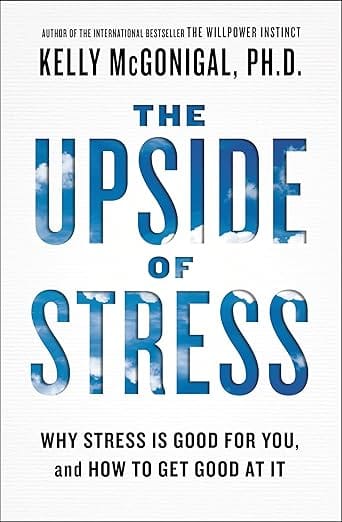
The Upside of Stress by Kelly McGonigal, PhD
Discover the transformative power of stress with ‘The Upside of Stress‘ by Dr. Kelly McGonigal. This enlightening book reveals how viewing stress as an ally can enhance your performance and well-being.
Breaking the Cycle: How Exercise, Diet, and Sleep Work Together to Combat Anxiety
Anxiety can be a vicious cycle. When we feel anxious, we may have trouble sleeping, which can then lead to unhealthy eating habits and a lack of energy to exercise. However, by making positive changes to our lifestyle, we can break this cycle and manage anxiety more effectively.
Exercise, diet, and sleep all work together to combat anxiety, with each element having its unique benefits. Physical activity has been shown to reduce stress hormones such as cortisol and release endorphins, which can improve mood and reduce anxiety symptoms.
Eating a balanced diet that includes plenty of whole grains, fruits, vegetables, and lean proteins can help stabilize blood sugar levels and provide the necessary nutrients for optimal brain function. Getting enough sleep is also crucial, as a lack of sleep can exacerbate anxiety symptoms and make it harder to cope with stress.

By prioritizing regular exercise, a healthy diet, and adequate sleep, we can begin to break the cycle of anxiety and start feeling more in control. Additionally, incorporating mindfulness meditation into our daily routine can complement these lifestyle changes and further reduce stress levels. It’s important to remember that change takes time and effort, but by making small changes each day, we can create a healthier lifestyle that supports our mental well-being.
As we have seen, anxiety can be a debilitating condition that affects many aspects of our lives. However, there are ways to combat it through lifestyle changes such as exercise, diet, sleep, and mindfulness. By understanding the causes and symptoms of anxiety, we can take the first step towards managing it. Incorporating physical exercise, a balanced diet, and enough sleep into our daily routine can also go a long way in reducing anxiety symptoms.
Mindfulness meditation can complement these lifestyle changes and help us develop a more positive mindset. It’s important to remember that these lifestyle changes work together to break the cycle of anxiety. While it may take time to see results, the benefits of a healthy lifestyle are worth the effort. As we continue to learn more about anxiety and how it affects us, we must remain open-minded and willing to try new approaches to manage it effectively.
Frequently Asked Questions:
How can mindfulness meditation complement lifestyle changes to reduce anxiety?
Mindfulness meditation helps manage anxiety by focusing attention on the present moment without judgment, reducing symptoms of stress, depression, and anxiety. It enhances awareness of thoughts and emotions, promotes relaxation, and improves sleep, thereby complementing other lifestyle adjustments such as exercise, diet, and sleep hygiene.
Why is sleep important for managing anxiety, and how can sleep quality be improved?
Sleep is crucial for managing anxiety because lack of sleep can increase stress, irritability, and mood swings. Improving sleep quality involves establishing a regular sleep routine, avoiding caffeine and alcohol before bed, creating a comfortable sleep environment, and practicing relaxation techniques like deep breathing or meditation.
In what ways does diet influence anxiety, and which foods are beneficial?
A balanced diet influences anxiety by providing essential nutrients that support brain health and mood regulation. Foods rich in omega-3 fatty acids, such as salmon and walnuts, complex carbohydrates like whole grains and fruits, probiotics in fermented foods, and antioxidants from various colorful fruits and vegetables can help alleviate anxiety symptoms.
How does physical exercise help in reducing anxiety?
Physical exercise helps reduce anxiety by releasing endorphins, which are natural chemicals that promote happiness and well-being. Exercise also improves cardiovascular health, distracts from anxious thoughts, and enhances self-confidence and self-esteem, making it an effective tool for managing anxiety symptoms.
What are the main causes and symptoms of anxiety?
Anxiety is a common mental health disorder characterized by feelings of fear, worry, and apprehension, often accompanied by physical symptoms such as rapid heartbeat, sweating, and trembling. It can be caused by factors like genetics, brain chemistry, trauma, or stress, and triggers include social situations, work pressure, financial worries, and health issues.
Recommended Meditation and Mindfulness Courses
Body, Mind, And Soul For A Fulfilled Life!