Imagine this: Sarah arrives at the local food bank on Saturday morning. She’s been volunteering for three months now, and something unexpected happened. The stress that used to follow her home from work? It’s gone. The anxiety that kept her awake at night? Less intense. And the sense that her life didn’t matter? Replaced by something she never expected to feel: profound joy.
This isn’t just her story. Research shows that volunteer work transforms not just the communities we serve, but our own brains, bodies, and hearts.
The Joy of Giving
What Is Volunteer Work? The Definition That Matters
Volunteer work is the act of offering your time, energy, and skills to help others-without financial compensation. But that clinical definition misses the real story.
It’s Sarah handing out food to families while building relationships. It’s Michael mentoring a struggling teenager and discovering a new reason to live. It’s Lisa caring for abandoned animals and learning what unconditional compassion feels like.
Volunteer work encompasses everything from supporting nonprofits and community initiatives to humanitarian efforts. People volunteer for different reasons: personal values, social connections, the desire to grow. But the result is always the same: a life changed on both sides.
The Science of Why Volunteer Work Makes Us Feel Good
When you help someone, your brain doesn’t just feel good-it lights up like a city at night.
The Neuroscience: Meet Your “Feel-Good” Hormones.
Here’s what happens in your brain during volunteer work:
Your body releases oxytocin, the hormone of connection and trust. Simultaneously, serotonin floods your system-the same chemical that antidepressants try to increase. And then comes dopamine, the reward neurotransmitter, which activates the same brain region that responds to food, money, or winning a game.
MRI scans reveal something striking: when volunteers engage in altruistic acts, multiple brain regions light up-the reward center, areas associated with empathy, and regions linked to social connection. This isn’t a small effect. Your brain is literally rewired by helping.
The “Helper’s High”: Why Giving Feels Better Than Receiving.
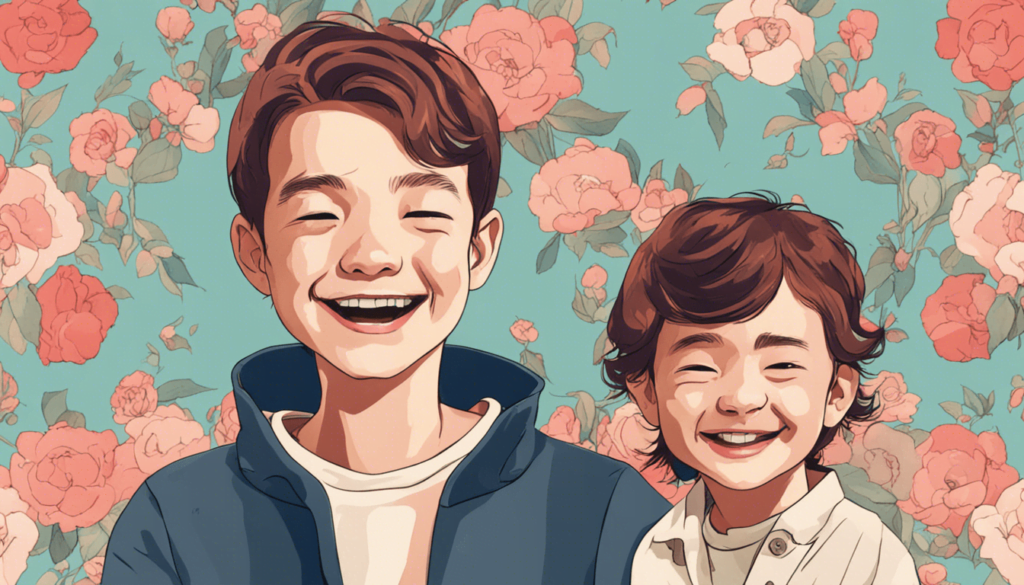
There’s a phenomenon researchers call the “helper’s high.” It’s that rush of energy and optimism you feel after helping someone. It’s real, it’s measurable, and it creates a feedback loop: the more you volunteer, the more you feel it. The more you feel it, the more you want to volunteer.
This positive cycle isn’t coincidental. Evolution designed us to cooperate. We’re biologically wired to connect with and support one another-and our bodies reward us when we do.
Stress Reduction: The Cortisol Connection.
Stress hormones like cortisol are silent killers. Chronic stress ages you, weakens your immune system, and fuels anxiety and depression.

Volunteer work changes this. When you shift focus from your own problems to someone else’s needs, your body recognizes the change. Stress levels drop. One study found that regular volunteers show significantly lower cortisol levels than non-volunteers. Another study found that volunteering can reduce anxiety and depression by up to 30%, comparable to medication for some people.
But here’s the kicker: it only works if you’re truly focused on helping, not on extracting benefit for yourself. Authentic altruism is the trigger.

Step into the world of learning and personal growth with the Centre of Excellence!
“If you’re interested in deepening your understanding of altruism, compassion, and human psychology, the Centre of Excellence offers accredited courses that explore these topics in depth.”
Why Volunteer Work Builds Real Community (and Why You Need It)
Loneliness is an epidemic. It’s killing us as quietly as smoking and more effectively than obesity. In 2024, more people than ever feel isolated-even while surrounded by others.
Volunteer work is the antidote.
The Friendship Effect: Connections That Last.
When you volunteer, you work alongside people who share your values. You face challenges together. You celebrate wins together. These aren’t the shallow connections of social media. They’re bonds forged through shared purpose.
Sarah met Marcus at the food bank. He was also new, also nervous. Now they volunteer together every Saturday, and their friendship has extended into their personal lives. Michael found a community of mentors who understood his struggles as a veteran. Lisa discovered that animal shelter volunteers become like family.
Research is clear: people with strong social connections live 15+ years longer than those who are isolated. And volunteer work creates the kind of connections that matter most-the ones built on contribution and mutual respect.
Belonging: The Antidote to Isolation.
When you volunteer, you stop being “a random person” and become “someone essential to this community.” The food bank needs you. The mentees depend on you. The animals recognize you.
This shift from irrelevance to necessity is transformative. It answers a fundamental human question: “Do I matter?”
The answer is an unequivocal yes.
The Ripple Effect: When One Person’s Action Becomes Everyone’s Inspiration.
Volunteers don’t just help individuals. They inspire others. Sarah’s commitment inspired her sister to start volunteering. Michael’s mentorship inspired his mentee to mentor others. Lisa’s dedication to animal welfare made her friends reconsider their own priorities.
This is how communities transform. One person serves. Others see it. The culture shifts. Suddenly, giving back isn’t unusual-it’s normal.
The Mental Health Revolution: How Volunteer Work Heals Depression and Anxiety
The mental health crisis is real. But so is the cure, and it’s free.
Depression: The Light That Volunteer Work Brings Back.
Depression thrives in isolation and meaninglessness. It whispers: “You don’t matter. Nothing you do changes anything. Why bother?”
Volunteer work shatters this lie.
When you see a family’s gratitude for providing food. When a student’s face lights up because you taught them something. When an abandoned dog finally wags its tail because you saved it. You can’t deny your impact. The evidence is right in front of you.
Research published in major psychology journals shows that people who volunteer regularly report:
- 30% reduction in depressive symptoms (comparable to antidepressants in mild to moderate depression).
- Greater sense of purpose and meaning.
- Improved emotional resilience.
This isn’t placebo. It’s biology meeting psychology meeting purpose.

Anxiety: The Shift of Focus.
Anxiety is future-focused worry. It’s your brain spinning stories about what might go wrong. But when you volunteer, your brain has to focus on right now-on the person in front of you, on the task at hand.
This presence interrupts the anxiety cycle. Your nervous system downshifts from “threat alert” to “engaged and purposeful.” Over time, this rewires your default mode, reducing baseline anxiety levels.
Michael, the retired veteran, experienced this firsthand. “When I’m with the kids, there’s no room for the nightmares. I’m present. I’m needed. The anxiety just… fades.”
The Gratitude Factor: Why Thankfulness Heals.
Volunteer work exposes you to people facing real hardship. This isn’t theoretical. This isn’t “I saw something sad on the news.” This is Sarah meeting families choosing between food and rent. This is Lisa seeing dogs abandoned because owners couldn’t afford them.
This exposure creates visceral gratitude. You stop taking small things for granted:
- A roof over your head.
- Enough food.
- Health.
- Safety.
And gratitude rewires your brain. It literally increases gray matter in regions associated with happiness, social connection, and emotional processing. Grateful people are happier people. It’s not philosophy-it’s neuroscience.

Building Confidence and Competence: The Skills Volunteer Work Develops
When you volunteer, you’re not just helping others. You’re building yourself.
Step Outside Your Comfort Zone-And Discover What You’re Capable Of.
Maybe you’ve never organized an event. Never mentored anyone. Never done physical labor for a cause. Volunteering forces these firsts.
And every time you push past fear and succeed, something shifts. Your self-efficacy-your belief in your ability to handle challenges-grows. Studies show that volunteers report:
- Increased confidence in new situations (even unrelated to volunteering).
- Greater willingness to take on challenges.
- Improved problem-solving skills.
- Enhanced communication abilities.
Sarah started as a shy college graduate. “I was terrified of talking to people. But at the food bank, I had to. And people opened up to me. I learned to listen. I learned to ask the right questions. Now I’m better at this than I thought I’d ever be.”
These aren’t small gains. They’re career-changing, relationship-transforming skills.
Competence Builds on Itself.
Every successful volunteer task is a win. You did something. It mattered. You got better at it. You did it again-more confident this time.
This is how competence develops. Not from reading about it or taking a class, but from doing it, failing sometimes, adjusting, and succeeding. Volunteers get continuous feedback: “We need help organizing this event.” You organize. The event went well. The impact is visible.
Compare this to many office jobs where impact is abstract, and success is measured quarterly. At the food bank, at the shelter, at the mentoring center, impact is immediate and undeniable.

Physical Health: The Overlooked Benefit of Volunteer Work
Most people think of volunteering as emotionally beneficial. But volunteer work transforms your body too.
Movement: The Foundation of Health.
Many volunteer activities are physically active. Food bank volunteers lift boxes and organize shelves. Animal shelter volunteers walk dogs, clean, and move supplies. Habitat for Humanity volunteers build homes. Cleanup crews walk the beach or park, constantly moving.
This activity matters. It’s often more enjoyable than “exercise” because it’s purposeful. You’re not running on a treadmill counting down minutes. You’re lifting supplies and directly helping families. The movement becomes secondary to the meaning.
Research shows that volunteers report:
- Increased physical activity levels.
- Better cardiovascular health.
- Healthier weight maintenance.
- Stronger immune function.
Michael, who sat idle for years after retiring, now walks constantly at the mentoring center. His cardiologist was surprised by the improvements in his markers. “Volunteering did more for my physical health than any gym membership could have,” he says.
Social Connection Builds Health.
This bears repeating: people with strong social networks live longer. Multiple studies confirm this. The effect is as powerful as exercise or diet.
Why? Social connection:
- Lowers blood pressure.
- Reduces inflammation.
- Strengthens immune response.
- Increases longevity (15+ years in some studies).
Volunteers build social networks while helping others. It’s dual-benefit health.
Purpose Extends Life.
This sounds mystical, but it’s documented. People with a clear sense of purpose live longer, recover from illness faster, and experience fewer chronic diseases.
Volunteer work delivers purpose. Not abstract purpose-concrete, daily, undeniable purpose. You show up. You help. Lives improve. That is the purpose.
The Stories: Real Transformation Through Volunteer Work
Numbers matter. Science matters. But stories change hearts.
Sarah: From Lost to Found.
Sarah graduated from college with a degree and no direction. She landed an office job that paid bills but meant nothing. Every day felt hollow.
Then a friend asked her to volunteer at the food bank.
“I almost said no. I thought it would be depressing, seeing people in need. But the opposite happened. I met families with such dignity and resilience. I saw my own life completely differently. I realized I had so much to offer. And the people there-the other volunteers, the staff-they became my real community.”
Three months into volunteering, Sarah was sleeping better. Her anxiety had dropped. She’d started planning-not just drifting. And she’d met Marcus, another volunteer, who became her closest friend.
“The job still pays the bills. But volunteering pays me in ways money never could.”
Michael: From Survival to Thriving.
Michael spent 22 years in the military. When he retired, he felt lost. The structure was gone. The mission was gone. The brotherhood was gone.
He filled the void with television and routine. Years passed. He was alive but not living.
His daughter suggested volunteering: “Dad, you’re good with people. You have so much to teach. Why not mentor kids?”
Michael hesitated. But he was desperate enough to try.
The first tutoring session was awkward. But the second went better. By the tenth, a student-a kid who’d been failing-passed a test. The boy ran up to Michael afterward: “I did it! I got a B!”
Michael’s eyes filled with tears. “That moment… I felt alive for the first time in years. I had a purpose again.”
Now Michael mentors five students. He arrives early and stays late. He’s considering training to teach officially. And his depression-the thing he’d accepted as permanent-has largely lifted.
“Volunteering didn’t just help the kids. It saved my life.”
Lisa: Compassion as a Path Home.
Lisa worked in corporate finance. She was successful by conventional measures. But she felt disconnected from herself and others. Her life was numbers on spreadsheets, not connections with people.
A coworker mentioned the animal shelter needed volunteers.
“I thought it would be fun, maybe a good break from work. But it became so much more. These animals-they don’t care about your salary or your status. They just care if you’re kind. They need you, and they show you they need you. It’s the most honest relationship I’ve ever had.”
Lisa started volunteering on weekends. Then she was there midweek too. Then she began researching animal welfare careers.
“Working with animals taught me how to be present. How to care without expecting anything back. How to see beings without ego getting in the way. It’s changed how I relate to people, too. I’m more patient. More compassionate. More myself.”
Financially, she makes less than before (she shifted to nonprofit work). But her contentment increased dramatically.
“Money never made me feel the way the animals’ trust does.”
Related reads you might enjoy:



Enhanced Gratitude: The Perspective Shift That Changes Everything
Volunteering isn’t just about helping others. It’s about seeing your own life clearly-often for the first time.
The Contrast That Builds Gratitude.
When you work at a food bank, you meet families struggling to eat. You realize: I’ve never worried about that. When you mentor a struggling student, you recognize: I had teachers who believed in me. When you help at an animal shelter, you understand: I’m privileged to have a home, a family, safety.
This isn’t guilt. It’s gratitude. Clear, visceral, transformative gratitude.
Lisa explained it perfectly: “Before volunteering, I complained about small things. Now, after seeing real struggle, I notice what I have. I’m grateful for hot water, for food, for my bed. These things I took for granted-now I see them as gifts.”
This shift isn’t permanent if you stop volunteering. But if you continue-if you regularly expose yourself to others’ struggles and resilience-gratitude becomes your baseline. You become someone who notices and appreciates rather than someone who takes for granted.
Understanding: The Bridge Across Difference.
Volunteer work breaks down barriers. Sarah now understands what “food insecurity” means-not as a policy term but as a mother’s stress. Michael understands what poverty looks like when a student can’t afford a pencil.
This understanding builds empathy. And empathy builds community. When you see people’s full humanity-not as statistics but as individuals with dignity, resilience, and dreams-you stop seeing “them” and start seeing people.
This shift spreads. Sarah tells her family about the families she met. Michael tells other veterans about the kids he mentors. Lisa evangelizes about animal rescue. One person’s understanding becomes another’s.
The Deep Science: Why Your Brain Rewards Helping Others
Let’s go deeper into the neuroscience, because understanding why volunteer work feels good makes you more likely to do it consistently.
The Reward Pathway: More Powerful Than You Think.
Your brain has a reward system designed to encourage survival behaviors. Eating food when hungry triggers dopamine. Reproduction triggers it. But here’s what researchers discovered: altruism triggers the same reward pathway.
This isn’t secondary. It’s primary. Your brain treats helping others as a core survival behavior-as fundamental as eating.
When you volunteer:
- The striatum activates (reward processing).
- The anterior insula lights up (empathy and emotional awareness).
- The prefrontal cortex engages in decision-making and purpose.
- Dopamine is released (motivation and pleasure).
The result? You feel rewarded for helping. Your brain learns: This is good. Do this again.
Over time, repeated volunteering rewires your brain. Altruism becomes easier. Your baseline mood improves. You literally become a more compassionate person-neurologically.
Oxytocin: The Bonding Hormone.
Oxytocin is often called the “love hormone” or “trust hormone.” It’s released during connection and increases your sense of belonging.
Here’s what’s fascinating: oxytocin is released both when you’re helped AND when you help. This is why volunteers consistently report feeling connected to others, even strangers they just met.
Oxytocin also:
- Reduces anxiety.
- Lowers blood pressure.
- Increases empathy.
- Promotes social bonding.
Sarah noticed this: “After my first few hours at the food bank, I felt this warmth toward the people I was helping. Even though I just met them. Even though we were strangers. There was this instant sense of… kinship.”
That’s oxytocin. That’s your brain encoding: These are your people. You belong here.
The Anti-Inflammatory Effect.
Chronic inflammation is the root of most diseases-heart disease, diabetes, autoimmune conditions, and even depression.
Volunteering reduces inflammation. Markers of systemic inflammation (like C-reactive protein) are lower in regular volunteers. This happens through multiple pathways:
- Stress reduction (lower cortisol = lower inflammation).
- Social connection (strong social bonds suppress inflammatory markers).
- Sense of purpose (purpose directly reduces inflammation).
This isn’t minor. This is disease prevention. This is lifespan extension. This is your body healing itself because you’re helping others.
Ayurveda Diploma Course: Master Ancient Healing at Your Own Pace
Master holistic healing with the Ayurveda Diploma Course-CPD-certified, self-paced, tutor-supported. Start anytime. £25 (94% off).
The Four Pillars of Well-Being That Volunteer Work Builds
Psychologists have identified what creates lasting happiness. Volunteer work touches all four.
Pillar 1: Purpose and Meaning.
Humans need to feel that their lives matter. That they’re contributing to something bigger than themselves.
Volunteer work provides this directly. You’re not just working for a paycheck. You’re serving a cause. Your existence has an impact.
Michael: “Before, I was just existing. Now, I’m needed. The kids depend on me. That transforms everything.”
Pillar 2: Social Connection.
Loneliness is toxic. Connection is healing. Volunteering creates an authentic connection based on shared values and purpose-the deepest kind.
Pillar 3: Competence and Growth.
Humans need to develop skills and meet challenges. Volunteer work provides continuous opportunities for both.
Sarah: “I discovered I was better at organizing and helping people than I ever imagined. The confidence I built volunteering… it changed how I see myself.”
Pillar 4: Autonomy and Agency.
People need to feel they have control over their lives. Volunteering-especially when you choose when, where, and how to help-gives you agency. You’re not following orders. You’re choosing to make a difference.
Together, these four pillars create lasting well-being. Not temporary happiness. Lasting life satisfaction.
How to Start Volunteer Work (Even If You’re Busy, Shy, or Unsure)
The barrier to volunteering isn’t usually the work. It’s the first step.
Finding Your Fit.
You don’t have to be outgoing to volunteer. You don’t have to be a people person. Different volunteer work suits different people:
- Introverts: Animal shelters (less conversation, immediate animal feedback), data entry for nonprofits, art creation for charity auctions.
- Outdoor people: Habitat for Humanity, trail maintenance, beach cleanups, community gardens.
- People-focused: Food banks, mentoring, hospital visits, hospice support.
- Technical skills: Website building for nonprofits, bookkeeping, grant writing, IT support.
- Creatives: Art therapy, event planning, graphic design, content creation.
You don’t need to be “good enough.” Nonprofits will train you. They’re thrilled to have committed people.
Start Small.
You don’t need to commit to a year or even a month. Try 4 hours. One Saturday. See how it feels.
Sarah almost didn’t volunteer because she thought it required a massive commitment. “I almost said no. I’m glad I didn’t. But knowing I could start small-that changed the decision.”
The Paradox: You Don’t Volunteer to Feel Good (But You Will).
Here’s a psychological truth: the people who benefit most from volunteering are those who volunteer to help, not to feel good.
When your motivation is pure-genuinely helping others rather than self-therapy, the emotional benefits are exponentially greater.
This doesn’t mean you ignore your own benefits. It means you lead with service. And the well-being follows naturally.
Step into the world of learning and personal growth with the Centre of Excellence!
“Ready to build confidence through skill development? Centre of Excellence’s personal development courses can help you prepare for volunteer work or deepen your impact.”
Overcoming Common Barriers to Volunteer Work
“I Don’t Have Time”
Most volunteers report that it takes less time than they expected and gives back more time through reduced stress and improved focus.
Four hours of volunteering per month is enough to see benefits. That’s one afternoon.
“I Don’t Know What I’m Good At”
You don’t need special skills. Nonprofits need people who show up, care, and commit. That’s it.
Michael had never mentored anyone. Sarah had never worked at a food bank. Lisa had never volunteered with animals. They learned.
“What If I Commit and Can’t Follow Through?”
Be honest with organizations about what you can realistically do. Most are flexible. Tell them: “I can commit to one Saturday morning per month.” If life changes, you adjust.
“I’m Too Shy/Introverted/Anxious”
Many volunteers describe their anxiety as decreasing because of volunteering, not despite it. Find volunteer work that doesn’t require constant social interaction. Work alongside the same people regularly (familiarity reduces anxiety). Start with a friend.
The Long-Term Effects: Volunteer Work as a Life Architect
Here’s what research shows about long-term volunteers (people who’ve volunteered 5+ years):
- 30-50% lower rates of depression compared to non-volunteers.
- Higher life satisfaction and meaning.
- Stronger social networks and reduced loneliness.
- Better physical health markers (blood pressure, inflammation, immune function).
- Greater sense of purpose and direction in life.
- Enhanced sense of belonging to the community.
- Increased likelihood of continuing to help others (the behavior becomes intrinsic).
It’s not that happy people volunteer. It’s that volunteering makes people happier.
And once you start? Most volunteers don’t stop. Because the benefits are real and the purpose is compelling.
Michael said it clearly: “I didn’t think I’d volunteer this long. But now I can’t imagine not doing it. It’s not a hobby. It’s who I am.”
The Community Effect: How Volunteer Work Transforms Neighborhoods
Individual benefits are significant. But the collective effects are revolutionary.
When enough people volunteer in a community:
- Crime rates drop (research shows this).
- Economic resilience increases (communities with strong volunteering handle crises better).
- Mental health improves (the culture shifts toward connection and meaning).
- Trust increases (when people help each other, they trust each other).
- Resilience builds (mutual aid networks can handle emergencies).
This is how communities heal. Not through government programs alone (though those matter). But through ordinary people showing up, helping each other, and building a culture of care.
Sarah’s food bank now runs three days a week instead of two. Why? Because volunteers recruited other volunteers. The community saw people helping. The culture shifted.
Discover The Life Beyond Book by Dr. Manuel Sans Segarra
Discover ‘The Life Beyond’ by Dr. Manuel Sans Segarra, a compelling exploration of the afterlife that blends science, personal experiences, and supraconsciousness insights.
This title will be released on October 13, 2026. Savings Pre-order Price Guarantee.
Aligning Volunteer Work With Your Values
The most fulfilling volunteer work aligns with your core values. If you care about:
- Animals: Shelters, wildlife rehabilitation, fostering programs.
- Education: Tutoring, mentoring, adult literacy, after-school programs.
- Environment: Trail maintenance, community gardens, beach cleanups, conservation.
- Social justice: Food banks, homelessness support, advocacy organizations.
- Health: Hospital volunteering, hospice support, mental health organizations.
- Arts: Museums, community centers, art therapy programs.
- Seniors: Nursing homes, companion visits, advocacy.
Find the cause that breaks your heart or lifts your spirit. Work there.
The more your volunteering aligns with who you are, the more sustainable it becomes. And the greater the impact, both on others and yourself.
The Ripple Effect: How Your Volunteer Work Changes Others
This is the part most people don’t see coming.
Sarah volunteers at the food bank. The families she helps see someone who sees them-as humans, not problems. They stand a little taller. They’re less ashamed.
One mother who received food from Sarah later returned to volunteer. She wanted others to feel the dignity Sarah had shown her.
Michael mentors a struggling student. The student passes a test. For the first time, he imagines a future. He tells his sister she should volunteer too. His sister volunteers. She mentors a different student.
Lisa rescues abandoned dogs. She shows kindness to creatures no one else wanted. Her coworkers see this. They reconsider their indifference to animal welfare. Some start volunteering too.
This is the ripple effect. One person’s choice to help creates a wave of helping that moves through a community.
You can’t predict where it goes. But you can trust that it moves. And it multiplies.
The Fulfillment Paradox: Why Giving More Creates More Joy
There’s a paradox in human nature: the more you give, the more you have.
Not financially (though volunteers often become more generous financially too). But emotionally, spiritually, relationally.
You give time: You receive connection and purpose.
You give skills: You receive competence and confidence.
You give compassion: You receive belonging and meaning.
You give hope: You receive hope back.
This isn’t magic. It’s how humans are designed. We’re built for connection and contribution. When we live that way, we flourish.
The people who volunteer most consistently report the highest well-being. They’re not burning out. They’re lighting up.
Conclusion: The Joy of Giving as a Path to Fulfillment
The joy of giving isn’t a pleasant side effect of volunteering. It’s the primary benefit.
When you volunteer-when you show up, give your time, use your skills to help others-something shifts. Not just in the world. In you.
Your brain changes. Your relationships deepen. Your purpose is clarified. Your body heals. Your perspective expands. Your confidence grows.
The families you feed experience relief. The students you mentor experience hope. The animals you help experience safety. But you experience something equally profound: the knowledge that your life matters, that you belong, and that you’re part of something bigger than yourself.
This is what Sarah discovered in three months at the food bank. What Michael found through mentoring. What Lisa learned through animal rescue.
It’s available to you too.
You don’t need to be special. You don’t need perfect circumstances or unlimited time. You just need to show up.
Choose a cause that calls to you. Commit to a few hours. Show up consistently. Watch what unfolds-not just in your community, but in yourself.
The joy of giving isn’t something you receive. It’s something you become.
FAQ: Everything You Need to Know About Volunteer Work
What are examples of volunteer work?
Volunteer work spans every field and skill level:
– Food bank assistance and meal preparation
– Animal shelter volunteering and dog walking
– Student tutoring and academic mentoring
– Beach and park cleanups
– Youth mentoring and Big Brother/Big Sister programs
– Hospital and nursing home visits
– Habitat for Humanity and construction projects
– Community gardening and urban farming
– Fundraising and event organization for charities
– Trail maintenance and environmental conservation
– Hospice support and end-of-life care
– Mentoring for professional development
– Administrative support for nonprofits
– Grant writing and technical skills volunteering
How much time do I need to commit to volunteer work?
Start with what’s realistic. Even 2-4 hours per month show measurable benefits. Many volunteers begin with one shift per week (3-4 hours) and adjust from there based on impact and availability.
When should I start volunteer work?
There’s no perfect time. The best time is now. Research shows that people hesitant about volunteering often wish they’d started sooner once they begin.
Is volunteer work only for retirees?
No. Volunteers range from students to seniors. Many professionals volunteer evenings or weekends. Students volunteer as community service or for college applications. The timing varies; the impact doesn’t.
Can volunteer work help with depression and anxiety?
Research strongly supports this. Volunteering reduces depression and anxiety symptoms in many people. However, if you’re in crisis, please contact a mental health professional in addition to volunteering. Volunteering is a powerful complement to professional help, not a replacement.
How do I find volunteer opportunities?
Use VolunteerMatch.org, your local nonprofit directory, religious organizations, schools, animal shelters, food banks, or community centers. Ask your network for recommendations. Many organizations actively recruit volunteers.
What if I’ve never volunteered before?
Organizations expect and welcome new volunteers. They provide training. Start small. Choose something that genuinely interests you. Let your motivation be helping, not proving something.
Can I volunteer if I have physical limitations?
Yes. Many volunteer roles don’t require physical activity. Data entry, phone support, mentoring (virtual), writing, and administrative work are all valuable.
How long does it take to feel the benefits of volunteer work?
Many people report improved mood and increased sense of purpose within the first month. Deeper benefits (confidence, community bonds, perspective shifts) develop over months
Body, Mind, And Soul For A Fulfilled Life!