❔ What are altered states of consciousness?
An altered state of consciousness is a temporary change in the ordinary organisation of experience. Attention, perception, emotion, memory, self-awareness, bodily sensation, time perception, and the sense of reality may all shift.
The term does not describe one single state. A lucid dream, a meditative absorption state, a frightening panic episode, a flow experience, an anaesthetic state, a religious vision, and a psychedelic experience can all differ profoundly while sharing the fact that ordinary consciousness has changed.
Altered states can occur spontaneously or through intentional practices. They may be associated with sleep, grief, awe, music, prayer, creativity, exercise, meditation, hypnosis, sensory reduction, illness, medication, or psychoactive substances.
“Altered” does not mean “better.” An unusual experience may be peaceful, insightful, confusing, ecstatic, distressing, or physically dangerous. Its value depends on the method, context, intention, individual vulnerability, interpretation, and what happens afterwards.
A useful framework is:
Experience + context + interpretation + integration = possible transformation.
Without integration, an intense experience may remain an unforgettable event without becoming useful knowledge or healthier action. ✨
Why people explore altered consciousness
People may be drawn to altered states for different reasons:
- To investigate consciousness and selfhood.
- To deepen religious or contemplative practice.
- To access creativity and imagination.
- To reduce stress or interrupt rumination.
- To process grief or difficult emotions.
- To experience awe, unity, or transcendence.
- To understand dreams and symbolic material.
- To explore therapeutic research.
- To challenge rigid habits of perception.
These motivations deserve respect, but they should also be examined. There is a difference between exploring experience and trying to escape life. If someone needs increasingly intense states to feel alive, avoids ordinary responsibilities, or interprets every unusual perception as revelation, caution is needed.
The aim should not be to collect extraordinary experiences. It should be to understand experience more carefully and live more responsibly within ordinary reality.
⚡ Altered States of Consciousness
How consciousness can change
Researchers often examine altered consciousness across several dimensions rather than treating it as a single continuum.
Attention
Attention may narrow around one object, broaden to include subtle sensations, or become absorbed in an activity. Concentration and awareness are related but not identical.
Self-processing
The ordinary sense of “I” may become quieter, more expansive, fragmented, or intensely self-focused. This can feel liberating, frightening, or simply unfamiliar.
Perception
Colour, sound, bodily boundaries, imagery, and the interpretation of sensory information may change. Perceptual vividness is not the same as perceptual accuracy.
Emotion
A state may intensify fear, joy, grief, compassion, awe, or calm. Emotional intensity can interpret feel true without proving that it is true.
Time
Minutes may seem to pass quickly or slowly. This is common in dreams, flow, meditation, intense emotion, and certain drug states.
Memory and meaning
Some experiences feel filled with personal significance. Memory, however, is reconstructive. A vivid memory is not necessarily a complete or literal record of what happened.

Unparalleled online learning experiences, New Skills Academy!
Natural altered states in everyday life
Altered consciousness does not require a retreat, substance, or dramatic ritual. Everyday life contains many shifts in experience.
A musician may become absorbed in performance. A parent may experience time differently during a crisis. A person in nature may feel awe and a diminished sense of self. A grieving person may move between ordinary functioning and vivid encounters with memory. A runner may enter a rhythm in which bodily effort becomes almost effortless.
These states are important because they show that consciousness is dynamic. The ordinary waking state is not a fixed baseline but a pattern shaped by sleep, attention, body, environment, memory, emotion, and social context.
Meditation: training attention without chasing spectacle
Meditation is one of the most accessible ways to investigate changes in attention and self-awareness. Focused-attention practices stabilise the mind on an object such as the breath, a mantra, or sound. Open-monitoring practices notice thoughts, sensations, and emotions without following each one. Loving-kindness and compassion practices cultivate particular emotional orientations.
The National Center for Complementary and Integrative Health reports that meditation and mindfulness have been studied for stress, anxiety, depression, pain, and other concerns. The evidence is not equally strong for every condition, and meditation should not be treated as a universal cure.
One important mechanism is decentering: learning to notice thoughts as mental events rather than commands or unquestionable facts. A practitioner does not need visions, cosmic sensations, or a completely silent mind for meditation to be meaningful.
A grounded practice: Sit for five to ten minutes. Notice breathing, posture, sounds, thoughts, and impulses. When attention wanders, label the event gently – “planning,” “remembering,” “judging” – and return. Measure success by the quality of returning, not by the absence of distraction.
Important nuance: Meditation can occasionally intensify anxiety, dissociation, traumatic memories, or unusual perceptions. Shorter practices, open eyes, external sensory anchors, movement-based awareness, and professional support may be more appropriate for some people.
Read: Mindfulness Meditation: Brain Science, Daily Practices & How to Build Lasting Focus and Why You Struggle With Meditation: 5 Science-Backed Barriers & How to Break Through.
Dreams and lucid dreaming
Dreaming is a naturally altered state involving changes in perception, memory, emotion, selfhood, and narrative logic. In lucid dreaming, the dreamer recognises that they are dreaming and may sometimes influence the dream.
Lucid dreaming has been investigated in relation to creativity, nightmare coping, and metacognition. It should not be treated as a reliable form of prophecy or a substitute for trauma-focused treatment.
Safer exploration: Keep a brief dream journal beside the bed. Record the dream’s images and emotional tone immediately after waking. Avoid treating symbols as a universal dictionary. Ask what concerns, memories, or conflicts the dream may be expressing in the context of your current life.
Attempts to induce lucid dreams through repeated awakenings can disrupt sleep. If sleep quality worsens, stop the induction practice and prioritise restorative sleep.
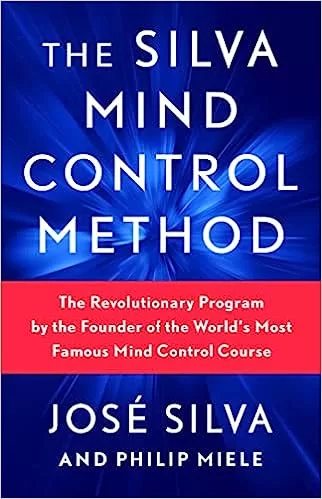
The Silva Mind Control Method by José Silva
Ever wondered what it feels like to have your mind work like a finely tuned machine? Enter The Silva Mind Control Method, your guide to harnessing the power of your thoughts! This practical read promises to transform your mental capabilities like never before.
Flow: altered attention through meaningful challenge
Flow is a state of deep task absorption often associated with clear goals, immediate feedback, and a balance between challenge and skill. The person may experience reduced self-consciousness and a changed sense of time.
Flow is not always relaxing. It can be mentally demanding, and it can occur during activities that are not beneficial. Gaming, gambling, work, and social media can all capture attention through rapid feedback.
Practical experiment: Choose a meaningful task that is slightly beyond your current ability. Define one clear objective, remove notifications, work for 25–45 minutes, and review your energy afterwards. Did the activity create learning, or merely consume attention?
This distinction matters. Absorption is not automatically growth.
Music, rhythm, and ritual attention
Music can change arousal, emotion, autobiographical memory, movement, and time perception. Chanting, drumming, singing, and repetitive rhythm have been used in religious and communal practices across cultures.
The effect of sound depends on context. A quiet piece of music, a ritual chant, a concert, and a high-volume sensory experience are not interchangeable. Claims that a specific frequency automatically “heals the brain” should be treated cautiously unless supported by relevant evidence.
Reflective practice: Listen to one piece of music without multitasking. Observe bodily sensation, memory, emotion, imagery, and attention. Sit in silence for two minutes afterwards. The contrast may reveal how quickly consciousness is shaped by sensory input. 🎵
Avoid loud or intense sound if it worsens tinnitus, migraine, sensory overload, anxiety, or trauma symptoms.
Movement, exercise, and embodied consciousness
Walking, running, yoga, dance, martial arts, and repetitive manual work can shift body awareness, attention, emotion, and the sense of time. These are embodied altered states: consciousness changes through the interaction of brain, body, movement, environment, and social meaning.
Movement may be especially useful for people who find stillness uncomfortable. It can create rhythmic attention without requiring the person to suppress thought.
Advanced practice: During a ten-minute walk, alternate three minutes of ordinary walking with one minute of noticing foot pressure, temperature, peripheral vision, sound, and breathing. Avoid turning the exercise into a performance.
Do not use exhaustion, dehydration, pain, or injury to force an unusual experience. The purpose is awareness, not physiological damage.
Breathwork and respiratory physiology
Breathing influences arousal, heart-rate variability, interoception, and the balance of gases in the bloodstream. Gentle, comfortable breathing may support relaxation. Rapid or forceful breathing can produce tingling, dizziness, altered perception, panic, and fainting because it changes carbon dioxide levels.
A dramatic sensation is not automatically a spiritual breakthrough. It may be a physiological response that requires you to stop.
Low-risk starting point: Practise quiet, comfortable breathing without straining, prolonged breath retention, or deliberately inducing dizziness. Stop if you feel faint, confused, numb, panicked, or short of breath.
Never practise intense breath retention or hyperventilation in water, while driving, near heights, or without appropriate supervision. People with cardiovascular or respiratory illness, pregnancy, seizure disorders, or panic vulnerability should consult a qualified clinician first.

Altered Traits by Daniel Goleman & Richard J. Davidson
In their insightful book, Altered Traits, Daniel Goleman and Richard J. Davidson delve into the transformative power of meditation and mindfulness. Goleman explores how these practices can alter our psychological traits and enhance well-being.
Hypnosis and guided imagery
Hypnosis generally involves focused attention, reduced peripheral awareness, and increased responsiveness to suggestion in some individuals. It is not equivalent to unconsciousness, mind control, or the loss of free will. People vary in hypnotic responsiveness.
The NCCIH notes that hypnosis has been studied for issues including anxiety associated with medical and dental procedures. Evidence varies by condition, method, and practitioner.
Guided imagery and visualisation may support relaxation, rehearsal, pain coping, and values-based reflection. They should not be used to claim that a person can reliably recover hidden memories, diagnose illness, prove past lives, or replace appropriate treatment.
For therapeutic purposes, choose a qualified professional with relevant clinical training. Be cautious with recordings that promise certainty, supernatural powers, or instant healing.
Sensory reduction and flotation experiences
Flotation environments reduce visual, tactile, and gravitational cues. Some people experience deep relaxation, unusual body sensations, vivid imagery, or changes in time perception.
Sensory reduction is not automatically safe for everyone. Enclosed environments may intensify panic or claustrophobia. People with open wounds, infectious illness, uncontrolled epilepsy, severe mental-health instability, or medical conditions affected by salt or heat should seek professional advice and follow the facility’s screening requirements.
A first session should be treated as an experiment in relaxation, not a test of spiritual achievement. Keep the experience optional and leave immediately if distress escalates.
Psychedelic and dissociative research: promise without hype
Psychedelic and dissociative substances can produce major changes in perception, emotion, self-processing, time, and meaning. Researchers are investigating substances such as psilocybin, MDMA, ketamine, and others for specific medical conditions under controlled protocols.
Clinical research does not make unsupervised use equivalent to therapy. Risks include panic, accidents, impaired judgment, dangerous behaviour, medication interactions, persistent perceptual disturbances, and the triggering or worsening of psychosis or mania in vulnerable people. Outside regulated settings, the identity and concentration of a substance may also be uncertain.
The U.S. Food and Drug Administration has published guidance for psychedelic-drug clinical investigations, highlighting unique challenges involving safety monitoring, participant expectations, blinding, psychological support, and long-term follow-up. NIDA also notes potential risks for people with predisposing factors for serious mental illness.
This article does not provide instructions for obtaining, dosing, combining, or using illegal substances. The responsible path is lawful, properly supervised research or licensed medical care where available – not online anecdotes presented as a safety protocol.
Spiritual experiences and scientific interpretation
Altered states have been central to religious and contemplative traditions. Prayer, meditation, chanting, pilgrimage, fasting, dance, ritual, and nature-based practices can all change attention and self-experience.
A person may interpret a sense of unity as contact with the divine. Another may interpret it as a change in self-processing, emotion, or perception. The experience can be meaningful in either case, but subjective conviction does not settle the metaphysical explanation.
A respectful scientific approach does not ridicule spiritual interpretation. It separates questions:
- What was experienced?
- What physiological and psychological conditions were present?
- What meaning did the person assign?
- What evidence supports each interpretation?
- What effect did the experience have on behaviour and well-being?
This distinction protects both spiritual depth and intellectual honesty.
Potential benefits – and what the evidence actually supports
Altered states may offer opportunities for:
- Greater self-observation.
- Emotional perspective-taking.
- Creativity and associative thinking.
- Stress reduction through appropriate practices.
- Spiritual meaning and connection.
- New approaches to a personal problem.
- Increased appreciation of nature, art, or relationships.
But potential is not proof. Evidence differs dramatically across meditation, sleep research, hypnosis, music, exercise, lucid dreaming, flotation, and psychedelic-assisted therapy. Benefits depend on method and individual circumstances.
Do not generalise findings from a supervised clinical trial to every informal practice. Do not confuse a meaningful experience with a verified treatment outcome. Do not assume that an experience that helped one person is safe for another.
🚫 Risks and warning signs
Psychological distress
Fear, panic, paranoia, intrusive memories, dissociation, or persistent confusion can occur during or after an altered state.
Detachment from ordinary life
If work, relationships, sleep, hygiene, financial responsibilities, or safety begin to deteriorate, reduce or stop the practice and seek support.
Grandiosity and certainty
Feeling that you have discovered a profound truth is not itself evidence that every interpretation is correct. Be especially cautious when an experience produces beliefs of exceptional powers, persecution, or total certainty.
Substance-related harm
Psychoactive substances can involve dependence, dangerous combinations, accidents, legal consequences, and unpredictable psychological effects.
Spiritual bypassing
Using spiritual experiences to avoid grief, therapy, accountability, medical treatment, or difficult relationships can delay genuine healing.
Seek urgent professional help if you experience persistent hallucinations, severe confusion, suicidal thoughts, inability to sleep for an extended period, dangerous impulsivity, or a loss of contact with shared reality.
Unparalleled online learning experiences, New Skills Academy!
A safer exploration protocol
1. Begin with the least invasive option
Start with gentle meditation, comfortable movement, nature observation, music, journaling, or ordinary creative absorption before considering practices that substantially alter physiology or perception.
2. Define the intention
Write one sentence: “I am exploring this practice to understand…” Avoid vague goals such as “unlock everything.” A clear intention makes it easier to evaluate results.
3. Screen for risk
Consider health conditions, medications, trauma history, sleep stability, substance use, and personal vulnerability. When uncertain, ask a qualified clinician.
4. Choose a reliable setting
The environment should be physically safe, calm, private where appropriate, and free from driving, water hazards, heights, weapons, or urgent responsibilities.
5. Keep the intensity modest
Do not escalate because the first experience was subtle. Subtle changes in attention can be more useful than dramatic shifts that are difficult to interpret.
6. Use a stop rule
Decide in advance which symptoms mean you will stop: faintness, panic, chest pain, severe confusion, overwhelming memories, or loss of orientation.
7. Integrate afterwards
Eat, hydrate, rest, write down what happened, speak with a trusted person, and wait before making major life decisions. Ask what observation is, what is interpretation, and what is a responsible next step.
A seven-day grounded exploration plan
- Day 1: Five minutes of breath awareness without breath manipulation.
- Day 2: A screen-free walk focused on sensory detail.
- Day 3: A 25-minute flow experiment with one meaningful task.
- Day 4: Record a dream and its emotional tone on waking.
- Day 5: Listen attentively to music, followed by silence.
- Day 6: Practise gentle movement or dance without performance goals.
- Day 7: Review changes in attention, mood, sleep, meaning, and functioning.
Do not attempt all practices at once if you are sensitive to changes in arousal or perception. The purpose is to observe how ordinary practices shape consciousness – not to chase intensity.
Integration: turning experience into insight
A state is not the same as an insight. Integration is the process of translating experience into carefully examined understanding and ethical action.
Use this three-stage journal:
- Describe: What did I perceive, feel, think, and notice in my body?
- Interpret: What meaning am I assigning, and what alternative explanations exist?
- Integrate: What small, observable action follows without harming myself or others?
A useful experience may lead to better sleep, more honest communication, creative work, compassionate boundaries, or appropriate treatment. An experience that produces recklessness, isolation, contempt for ordinary life, or increasing preoccupation deserves caution.
🌿 Your free holistic routine for grounded exploration
The Free Expert-Crafted Holistic Routine to Nourish Your Daily Life offers a way to place consciousness exploration within a broader foundation of sleep, movement, nature, relationships, mindfulness, and purposeful action.
The Holistic Living Routine
Get our Free Expert-Crafted Holistic Routine to Nourish Your Daily Life.
For readers interested in meditation and contemplative research, explore Altered Traits by Daniel Goleman and Richard J. Davidson. The Silva Mind Control Method may also interest readers exploring popular approaches to mental training; it should be read as a historical self-development resource rather than as a substitute for scientific or clinical guidance.
📚 Related reading from The Dream Oak
Continue with Altered States of Mind: Discover 7 Amazing Ways to Unlock Your Mind, Mindfulness Meditation: Brain Science, Daily Practices & How to Build Lasting Focus, The Concept of the Soul and Its Fascinating Aspects, The Significance of Holistic Living, and Spirituality and Happiness.
❓ Frequently asked questions
What is an altered state of consciousness?
It is a temporary change in ordinary patterns of attention, perception, emotion, self-awareness, memory, time, or cognition. Dreams, flow, meditation, music, prayer, hypnosis, illness, medication, and substances can all produce altered states.
Are altered states of consciousness dangerous?
Some are ordinary and relatively low-risk; others can be physically or psychologically dangerous. Risk depends on the method, intensity, setting, health history, medication, supervision, and interpretation.
Can meditation alter consciousness?
Yes. Meditation can change attention, body awareness, emotional regulation, self-processing, and the experience of time. A dramatic experience is not necessary for meditation to be beneficial.
Do altered states prove spiritual realities?
No. They can be spiritually meaningful, but subjective experience alone cannot prove one metaphysical explanation. Spiritual interpretation and scientific investigation can coexist if their different questions are respected.
Are psychedelic substances safe when used for healing?
Clinical research is exploring potential treatments under strict protocols. This does not make unsupervised or unregulated use safe. Screening, dose control, psychological support, medical oversight, and follow-up are essential in research settings.
What should I do if an experience becomes frightening?
Stop the practice if possible, move to a safe and calm environment, contact a trusted person, and seek medical or mental-health support if distress persists or includes confusion, dangerous behaviour, suicidal thoughts, or loss of contact with reality.
How can I explore consciousness without substances?
Begin with meditation, gentle breath awareness, sleep and dream observation, mindful walking, music, creative work, movement, prayer, or guided imagery from a reputable source. Choose one practice and track its effects on functioning.
Is a powerful experience always transformative?
No. Transformation depends on integration and behaviour. A subtle practice that produces greater patience or clearer boundaries may be more valuable than an intense experience that changes nothing in daily life.
💬 Questions for discussion
- Which ordinary activity most changes your experience of attention or time?
- Can an experience be spiritually meaningful without proving a supernatural explanation?
- What safeguards should be required when altered states are used in therapy?
- How should researchers study subjective experiences without reducing them to brain scans alone?
- Where is the line between exploration, avoidance, and spiritual bypassing?
Share your perspective. Responsible discussion requires curiosity, humility, and a willingness to distinguish what was experienced from what has been concluded.
Future consciousness research will likely combine neuroscience, phenomenological interviews, computational models, sleep research, digital biomarkers, and carefully monitored clinical studies. Better technology may help identify patterns associated with attention, selfhood, memory, and perception, but measurement will not remove the ethical question of what an experience is for.
The most mature approach to altered states may not be the pursuit of ever-greater intensity. It may be the ability to explore unusual modes of consciousness while remaining grounded enough to care for the body, question interpretations, respect cultural traditions, seek help when necessary, and return to ordinary life with greater responsibility.
The frontier is not simply “unlocking” the mind. It is learning how to open attention without abandoning discernment – and how to recognise that a transformed life is measured not by how far consciousness travels, but by how wisely a person lives after returning. 🌌
Safety note: This article is educational and not medical advice. Do not use sleep deprivation, extreme fasting, forceful breathwork, unregulated substances, or sensory deprivation to induce unusual experiences. Anyone with a history of psychosis or mania, epilepsy, cardiovascular disease, serious respiratory conditions, pregnancy, severe trauma symptoms, or medication interactions should seek qualified professional guidance before exploring practices that may significantly alter consciousness.
📒 Related reads you might enjoy:
- Meditation for Anxiety: Science-Backed Techniques, 10-Minute Practices & Lasting Relief
- 10 Ways To Recognize That You Are In An Alpha State And Theta State During Meditation
- Why You Struggle With Meditation: 5 Science-Backed Barriers & How to Break Through
References:
- National Center for Complementary and Integrative Health. “Meditation and Mindfulness: Effectiveness and Safety.”
- National Center for Complementary and Integrative Health. “Hypnosis.”
- National Institute on Drug Abuse. “Psychedelic and Dissociative Drugs.”
- National Institute on Drug Abuse. “Psychedelic and Dissociative Drugs as Medicines.”
- U.S. Food and Drug Administration. “Psychedelic Drugs.”
- U.S. Food and Drug Administration. “Psychedelic Drugs: Considerations for Clinical Investigations.”
- Vaitl, D., et al. (2005). “Psychobiology of Altered States of Consciousness.” Psychological Bulletin, 131(1), 98–127.
- Lutz, A., Slagter, H. A., Dunne, J. D., & Davidson, R. J. (2008). “Attention Regulation and Monitoring in Meditation.” Trends in Cognitive Sciences, 12(4), 163–169.
- Hobson, J. A., & Pace-Schott, E. F. (2002). “The Cognitive Neuroscience of Sleep: Neuronal Systems, Consciousness and Learning.” Nature Reviews Neuroscience, 3, 679–693.
- Yaden, D. B., et al. (2017). “The Varieties of Self-Transcendent Experience.” Review of General Psychology, 21(2), 143–160.
- World Health Organization. “Mental Health.”
- World Health Organization. “Physical Activity.”
- Barrett, F. S., & Griffiths, R. R. (2018). “Classic Hallucinogens and Mystical Experiences.” Current Topics in Behavioral Neurosciences, 36, 393–430.
Body, Mind, And Soul For A Fulfilled Life!